

Concussion Syndrome


Most concussions improve within weeks; however, some individuals experience persistent symptoms such as:
Headaches
Brain fog
Light and sound sensitivity
Dizziness
Neck pain
Fatigue
Exercise intolerance
Mood changes
Persistent symptoms often involve a combination of cervical spine dysfunction, autonomic nervous system imbalance, vestibular disturbance, and central sensitization.

Concussion Care May Include
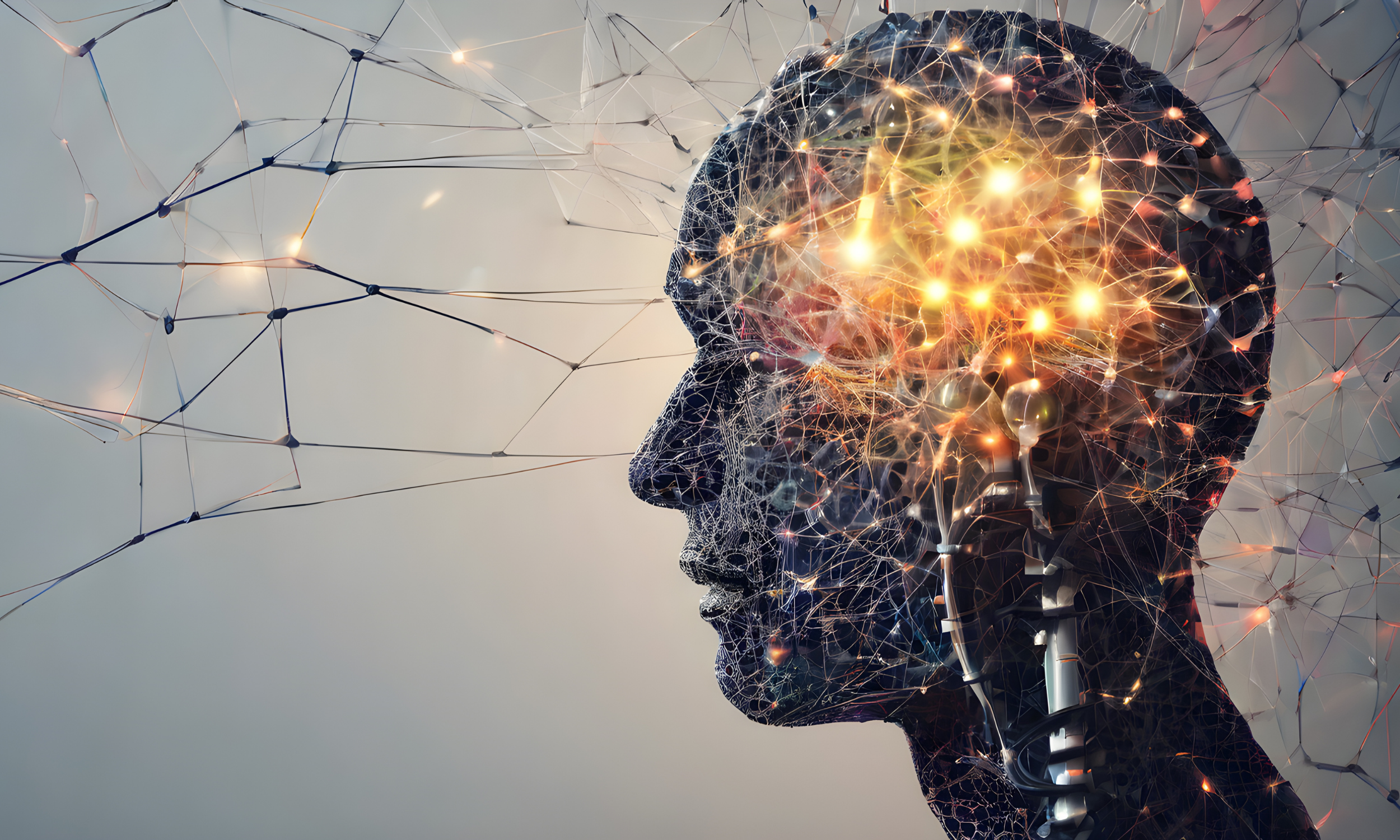
Markers of Brain inflammation and Injury – LifeLabs
Hormone testing – LifeLabs, DUTCH Analytical
Specialized Lab Testing
Symptom Pattern Evaluation
Cervical Spine Screening
Autonomic Function Considerations
Review of Sleep and Metabolic Contributors
Comprehensive Assessment
Recommendations are individualized based on patient history and tolerance.
Nutraceutical Support
Graded return-to-exercise planning
Nervous system regulation strategies
Sleep optimization
Nutrition to support brain recovery
Active Rehabilitation Support
When clinically indicated:
Cervical trigger point injections
Greater occipital nerve blocks
Perineural injection therapy
Injection therapies for treatment of cervical instability and injuries
Ultrasound-Guided
Injection Therapies
Injection therapies are used selectively when structural or nerve irritation is contributing to persistent headache or neck-related symptoms.