Dermatology
Dermatology In-Office Procedures Available at IHC
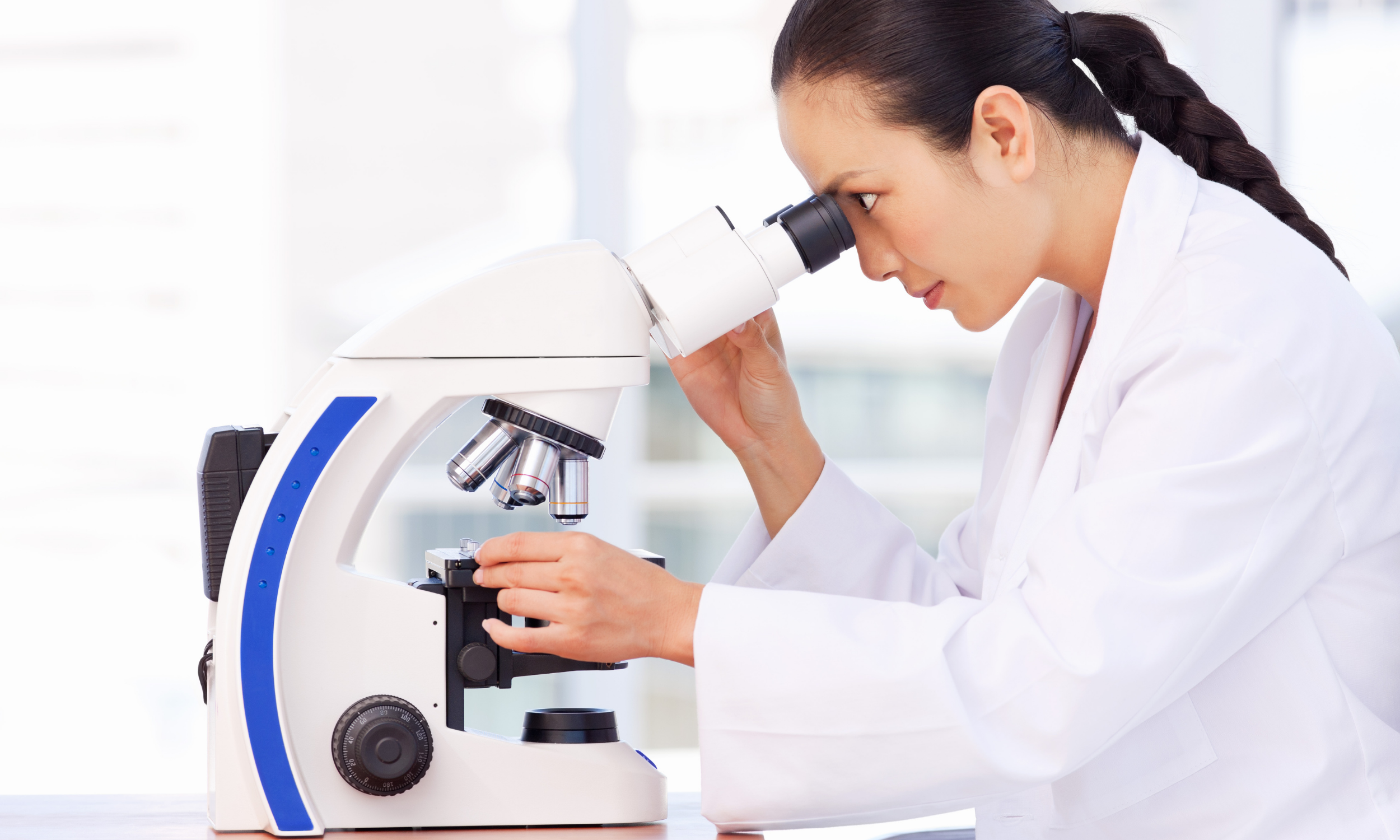
Punch Biopsy of skin lesion
Excisional Biopsy of skin lesion
Shave Biopsy of skin lesion
Angioma Removal with electrosurgery
Wart Removal with electrosurgery
Skin tag Removal with electrosurgery
Seborrheic keratosis Removal with electrosurgery
Telangiectasias Removal with electrosurgery
Pyogenic granuloma Removal with electrosurgery & curettage
Minor Surgery Patient Information Video
Bovie Derm 942
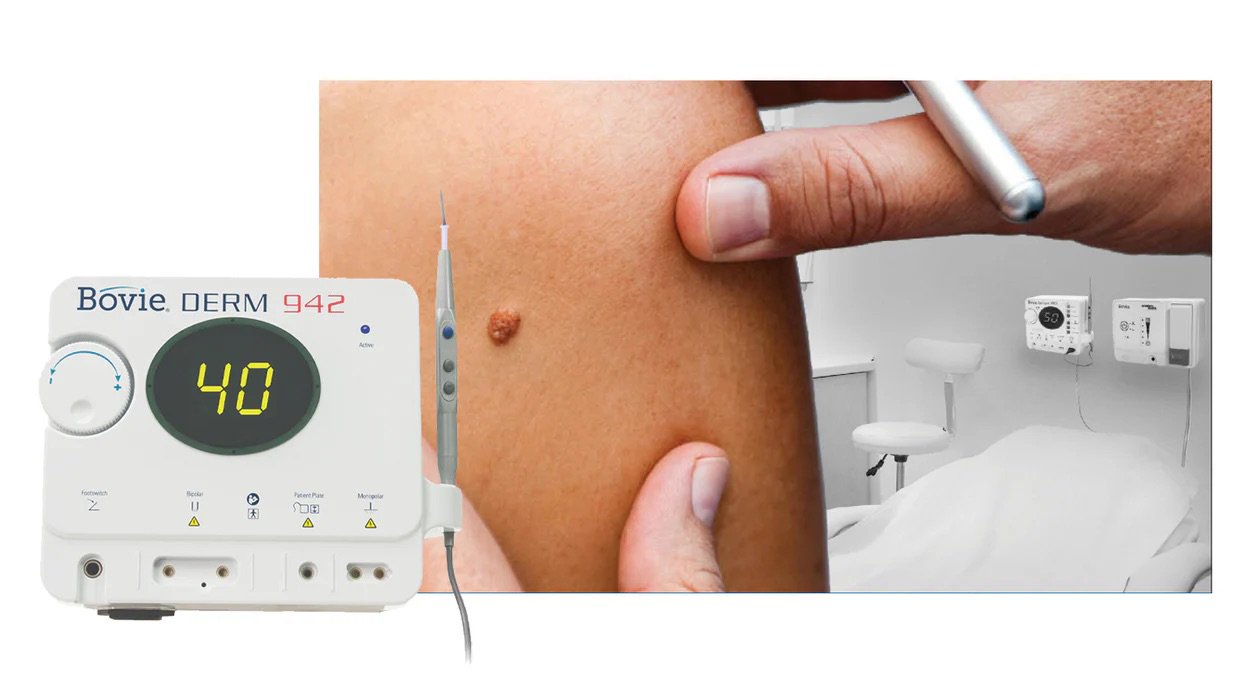
Trusted by dermatologists, family physicians, and surgeons for decades, the Bovie 942 is the gold-standard high-frequency desiccator designed for fast, effective in-office treatment of benign and selected malignant skin lesions.
Versatile Clinical Applications:
Curettage and electrodesiccation (C&E) of basal cell carcinomas and squamous cell carcinomas
Destruction of benign lesions: skin tags, cherry angiomas, seborrheic keratoses, verrucae, and pyogenic granulomas
Treatment of cutaneous neurofibromas — enabling removal of hundreds of lesions per session
Precise hemostasis during minor surgical procedures.
The Bovie Derm 942 is a 40-watt high-frequency electrosurgical generator used in dermatology and medical practices to remove benign and pre-malignant skin lesions. It destroys targeted tissue using precise high-frequency electrical currents, while minimizing damage to the surrounding skin.
The device is frequently used to treat conditions such as:
Benign or pre-malignant lesions: Moles, skin tags, warts, and seborrheic keratoses.
Vascular lesions: Spider angiomas

Cryotherapy for Skin Lesions
Fast. Effective. Convenient.
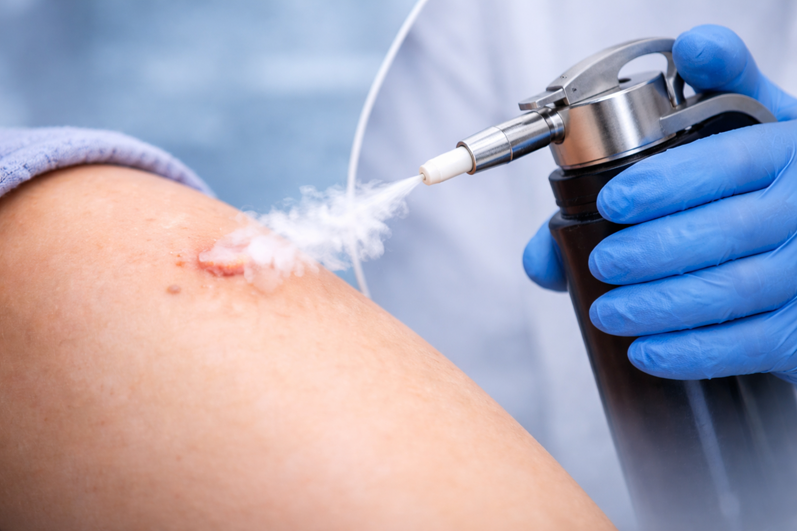
Cryotherapy is one of the most widely used in-office procedures in dermatology and primary care — and for good reason. Using precisely applied liquid nitrogen, cryotherapy safely and effectively destroys unwanted skin lesions in just seconds, right in the comfort of our office.
What Can Cryotherapy Treat?
Actinic keratoses (precancerous sun spots)
Warts (common, plantar, and genital)
Seborrheic keratoses (age spots / barnacles)
Molluscum contagiosum
Skin tags
Solar lentigines (sun spots)
Select low-risk skin cancers
Why Choose
In-Office Cryotherapy?
Quick treatment — Most lesions are treated in under a minute
No needles, no stitches — Typically requires no injectable anesthesia and no sutures
High cure rates — Proven effective for a wide range of benign and precancerous lesions
Minimal downtime — Resume normal activities right away
Excellent cosmetic results — Low risk of scarring compared to surgical alternatives
Low risk of infection — Minimal wound care required
What to Expect
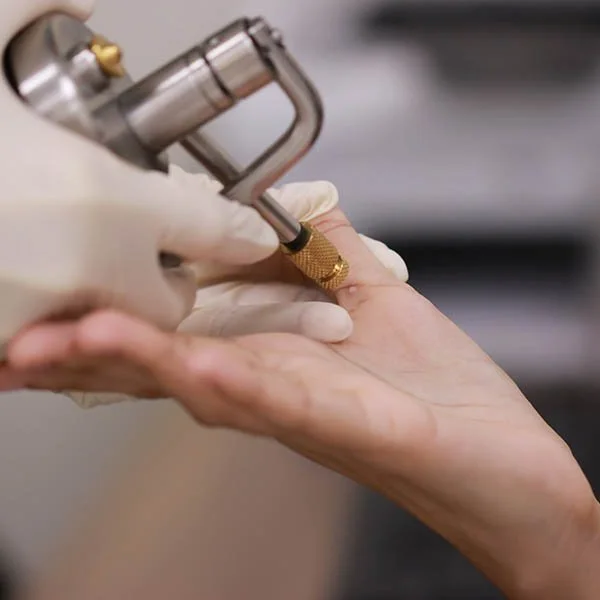
During treatment, liquid nitrogen is applied directly to the lesion using a spray or cotton-tipped applicator. You may feel a brief stinging or burning sensation that subsides quickly. The treated area may blister or crust over the following days and typically heals within 1–3 weeks. Many lesions are resolved in a single visit, though some may require follow-up treatment.
Trusted by Clinicians. Backed by Evidence.
Ask us today if cryotherapy is right for you.