Peri-Menopause
& Menopause

You Know Something Has Changed. We Help You Understand Why
Many women tell us the same thing when they come to see us: "I just don't feel like myself anymore."
They're sleeping poorly, feeling anxious for no obvious reason, forgetting simple things, gaining weight despite exercising, or struggling with heavy, unpredictable periods. Some have been told it's stress. Others wonder if they're simply getting older. Many have had blood work that was reported as "normal."
For many women, these changes are actually the beginning of perimenopause.
At Integrated Health Clinic, we believe women deserve thoughtful answers—not reassurance that what they're experiencing is simply part of getting older.
Our team of physicians, including both Naturopathic Doctors and Medical Doctors, includes Menopause Society Certified Practitioners (MSCP) who provide evidence-based, individualized care. Whether you are exploring menopausal hormone therapy (MHT), non-hormonal options, or simply looking for answers, we are here to help. Appointments are available in person, virtually, and by telephone throughout British Columbia.

Why Perimenopause Is So Often Missed
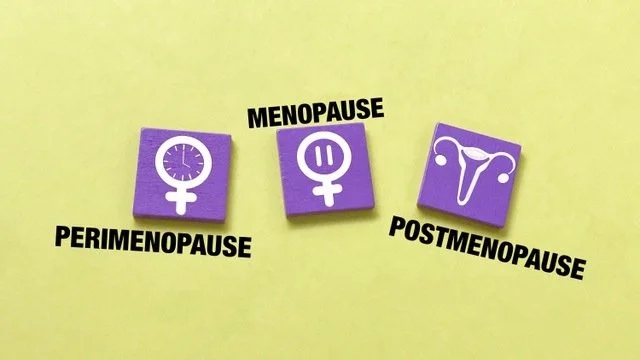
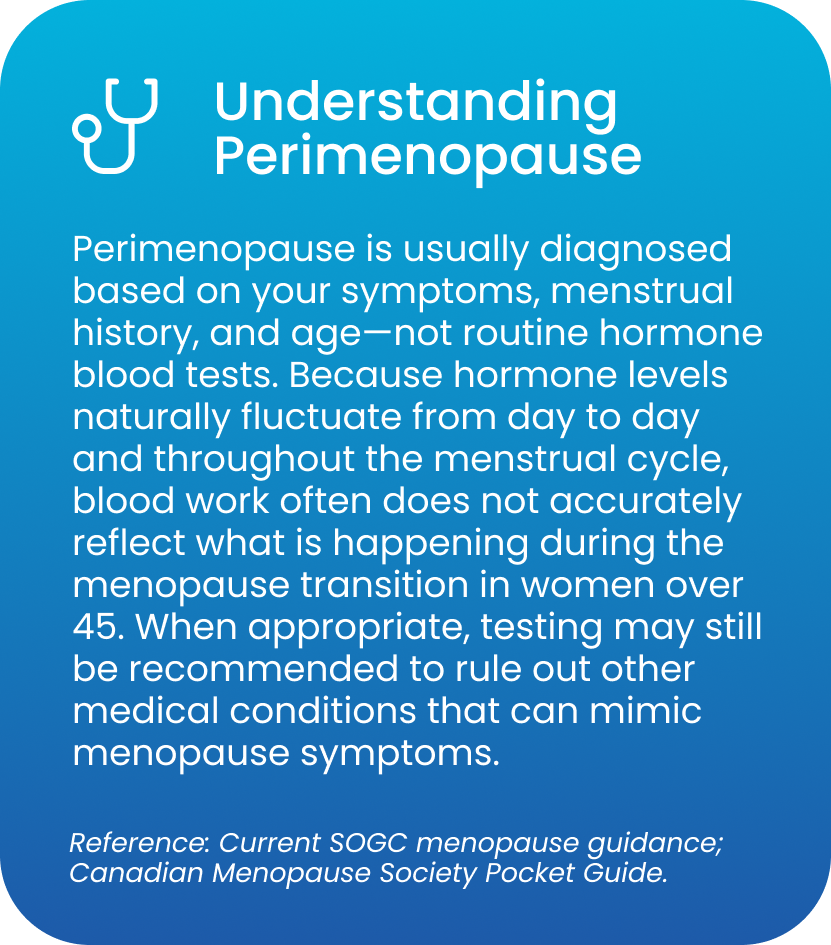
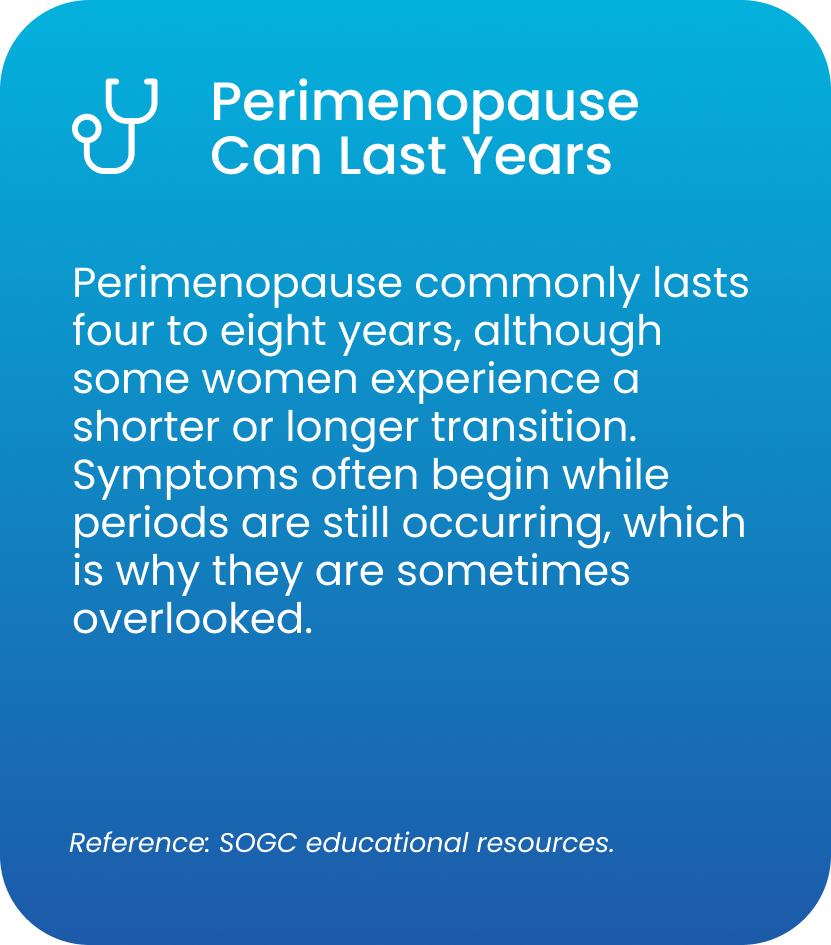
Perimenopause is the hormonal transition leading up to menopause and often begins years before a woman's final menstrual period. Hormone levels fluctuate rather than decline steadily, which is why symptoms can change from month to month and why routine hormone testing is often not helpful in women over 45. Diagnosis is usually based on your symptoms, menstrual history, and a comprehensive medical assessment.
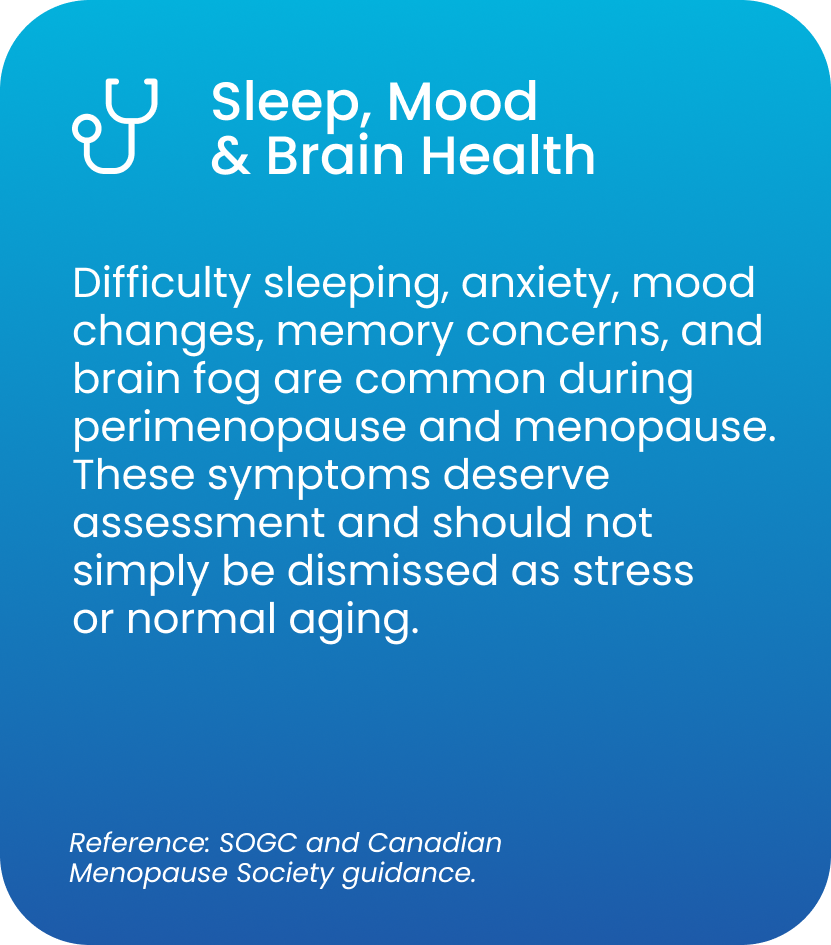
Many women spend years seeking treatment for anxiety, insomnia, migraines, heavy periods, fatigue, weight gain, bladder symptoms, or brain fog before anyone recognizes that these concerns may be connected by one underlying hormonal transition.
Every Woman's Experience Is Different

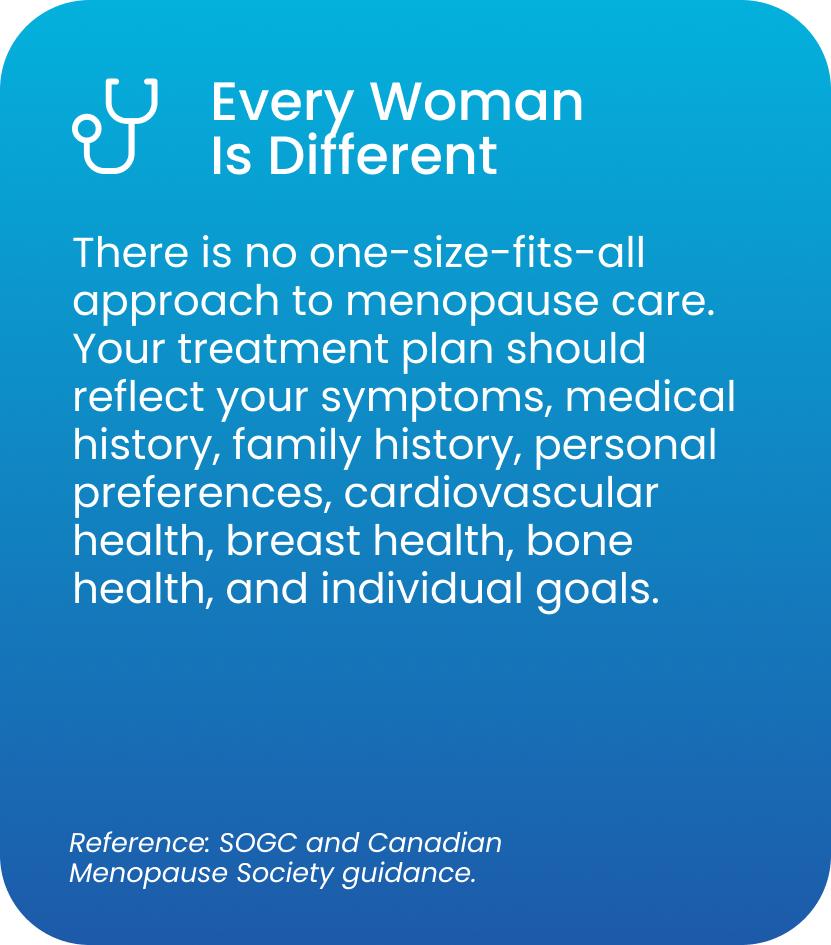
There is no single menopause experience. Some women notice only subtle changes, while others find symptoms significantly affect work, relationships, sleep, and quality of life.
Common symptoms include irregular or heavy periods, hot flashes, night sweats, anxiety, mood changes, brain fog, difficulty concentrating, fatigue, joint aches, weight gain, vaginal dryness, discomfort with intimacy, urinary urgency, and recurrent urinary tract infections.
Menopause Is More Than Hot Flashes

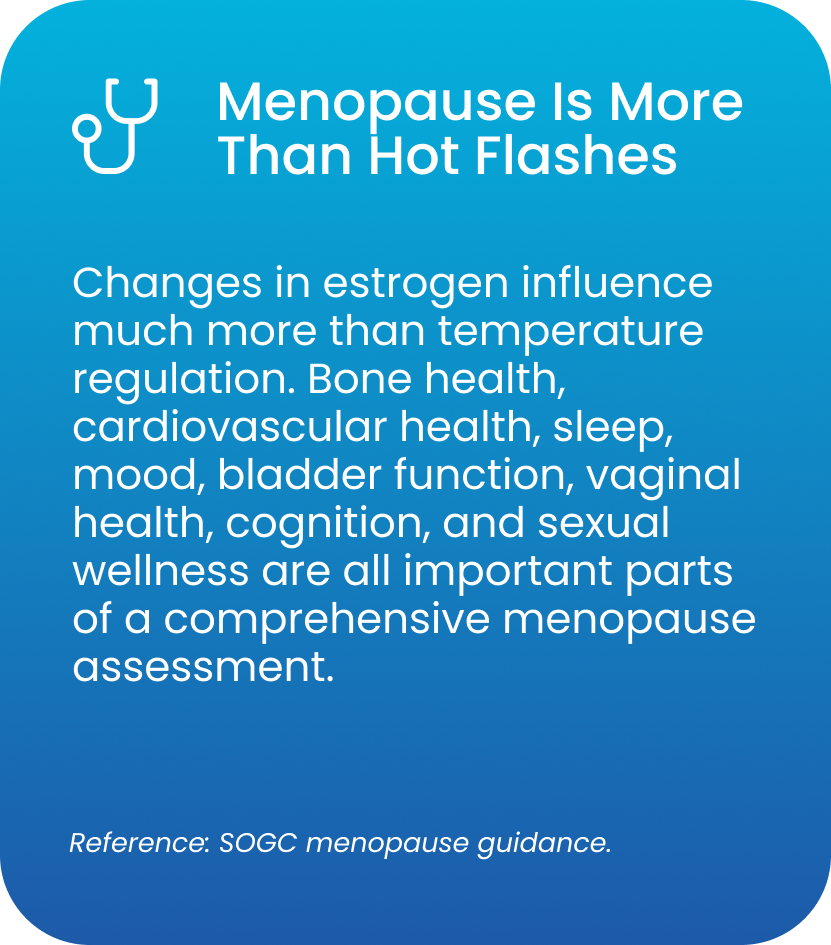
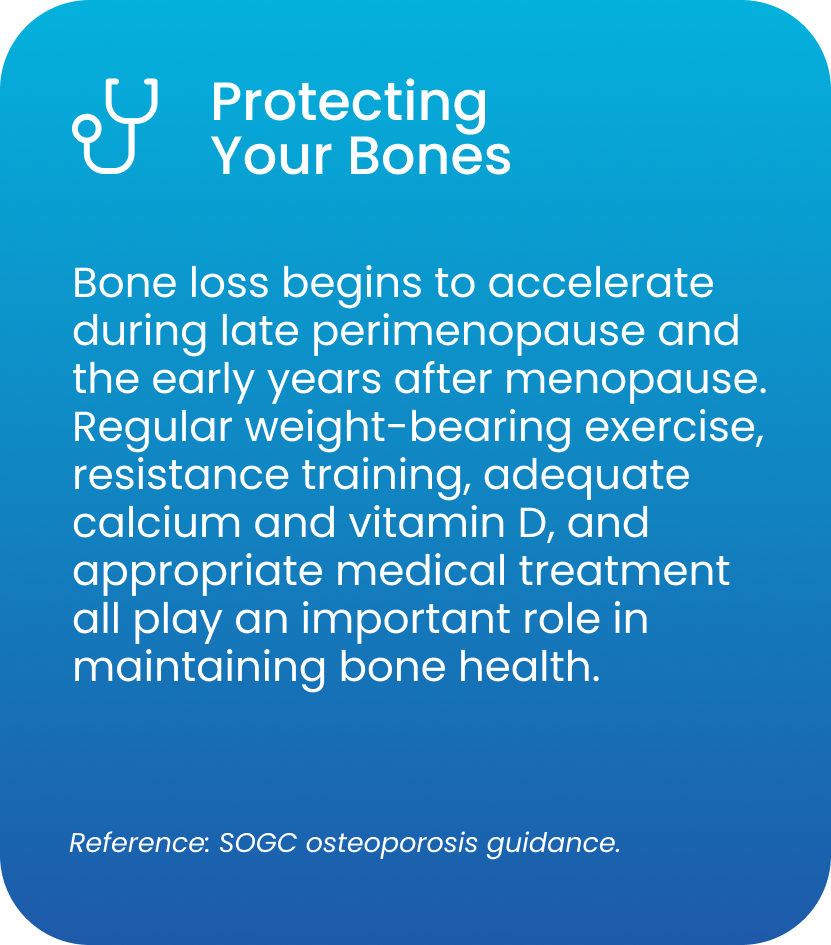
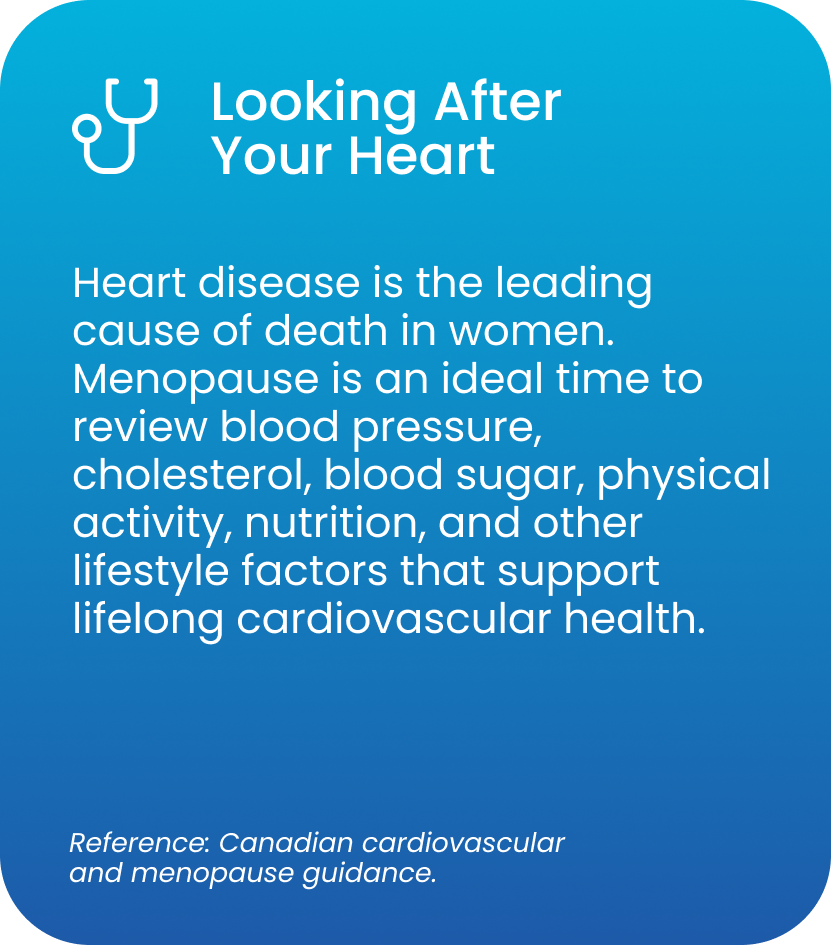
Estrogen supports many systems throughout the body. As hormone levels change, bone health, cardiovascular health, metabolism, bladder function, vaginal health, sleep, cognition, and sexual wellness can all be affected. Our goal is to improve how you feel today while supporting your long-term health.

What to Expect at Your First Appointment
Your physician will review your symptoms, menstrual history, medical history, medications, family history, sleep, mood, sexual health, bladder health, nutrition, exercise, and your personal goals. If appropriate, laboratory investigations may be recommended to rule out other medical conditions that can mimic menopause.

Personalized Care
There is no one-size-fits-all approach. Depending on your needs, treatment may include Menopausal Hormone Therapy (MHT), non-hormonal prescription medications, vaginal estrogen, nutrition and lifestyle counselling, exercise recommendations, sleep strategies, bone health support, cardiovascular risk reduction, and evidence-informed supplements where appropriate.
Why Women Choose Integrated Health Clinic
Many women have trusted our physicians through contraception, fertility, pregnancy, postpartum care, perimenopause, menopause, and healthy aging. This continuity allows our team to appreciate how each stage of life influences the next and to provide individualized care that evolves with you.

FAQs
-
Perimenopause often begins while you are still having periods. Changes in your menstrual cycle together with symptoms such as hot flashes, sleep disruption, mood changes, brain fog, or heavier bleeding may all suggest you are entering this transition. A comprehensive assessment is often more informative than hormone blood tests.
-
For most women over age 45, hormone blood tests are not routinely required to diagnose perimenopause or menopause because hormone levels fluctuate considerably. Your physician will recommend testing only when it is clinically appropriate or when another condition needs to be ruled out.
-
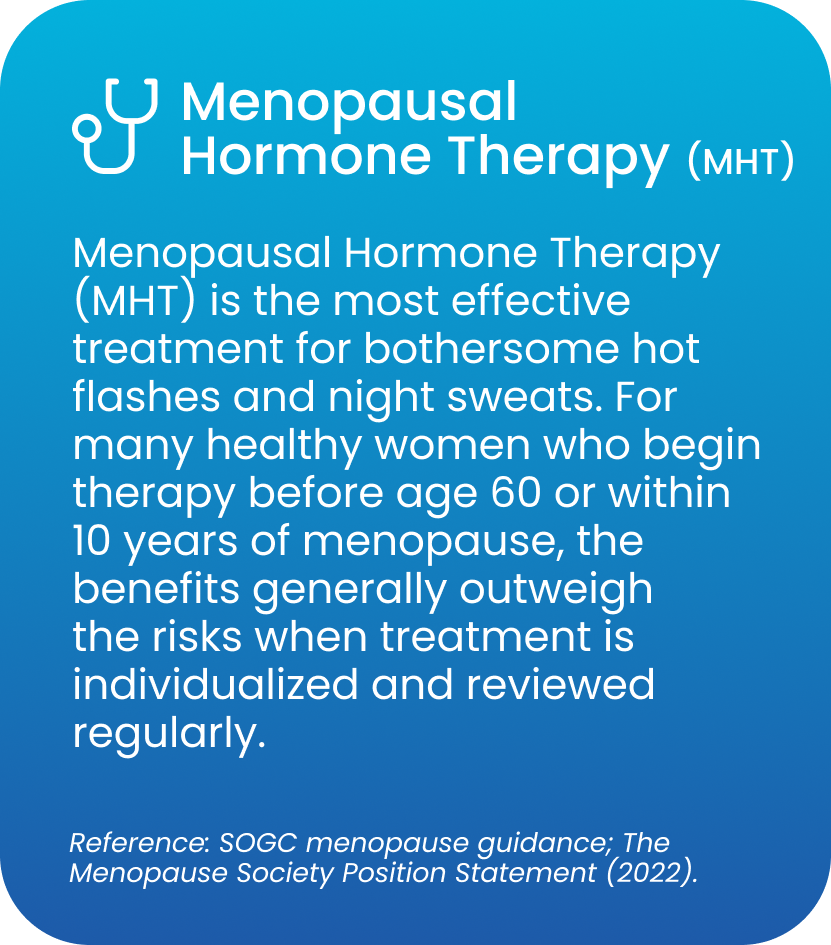
For many healthy women who begin treatment before age 60 or within 10 years of menopause, MHT is considered a safe and effective treatment for bothersome menopausal symptoms. Whether it is appropriate for you depends on your personal medical history, family history, and treatment goals.
-
Beginning of March 2026, eligible menopause hormone therapy prescriptions are covered under BC PharmaCare for qualifying BC residents with MSP and a valid prescription.
-
There are effective non-hormonal treatment options available. Depending on your symptoms, these may include prescription medications, lifestyle changes, nutrition, exercise, sleep strategies, and other evidence-based approaches.
-
Yes. Hormonal fluctuations during perimenopause can affect mood, concentration, memory, and emotional well-being. These symptoms are common, real, and often improve with appropriate treatment.
-
Changes in hormones, aging, sleep quality, stress, and muscle mass can all influence metabolism and body composition during midlife. Our physicians can help you develop practical strategies to support healthy weight and overall metabolic health.
-
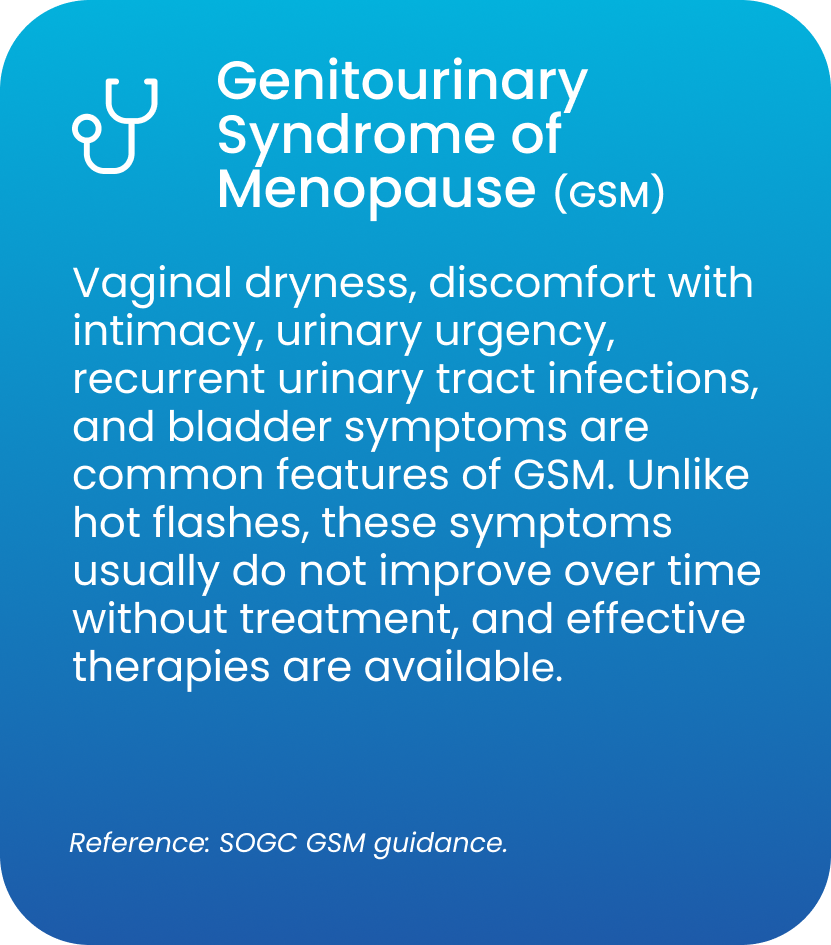
GSM describes changes to the vaginal and urinary tissues caused by declining estrogen. Symptoms may include vaginal dryness, discomfort during intimacy, urinary urgency, recurrent urinary tract infections, or bladder leakage. Effective treatments are available.
-
Follow-up depends on your symptoms and treatment plan. Many women benefit from an initial follow-up within a few months of starting treatment, followed by periodic reviews to ensure therapy continues to meet their needs and health goals.
IHC Clinical Insights
The following insights align with current recommendations from the Society of Obstetricians and Gynaecologists of Canada (SOGC), the Canadian Menopause Society, and The Menopause Society.


Menopausal Hormone Therapy
Physical exams- including breast and pelvic
Iron Infusions
IV/ Injection therapy
Targeted Supplementation
Endometrial ultrasound monitoring
Services Offered:
Comprehensive blood hormone panel testing (estrogen, progesterone, FSH, LH, testosterone, DHEA)
Thyroid function assessment (TSH, Free T3, Free T4, antibodies)
Metabolic health markers (insulin, glucose, A1C)
Adrenal hormone evaluation (cortisol rhythm testing)
Osteoporosis serum CTX
PLACÒ test
DUTCH Complete Urine
Love My Health Pro (Genetics)
Comprehensive Nutritional Panels
Omega 3 fatty acid testing
Enhanced Liver fibrosis (ELF)
Specialized Lab Testing:

Conditions Commonly Treated
Hot flashes
Night sweats
Insomnia
Mood disorders
Osteopenia
Osteoporosis
Heavy bleeding
Difficulty concentrating
Weight gain
Doctors Providing This Service
Our Menopause doctors are are Menopause Society Certified Practitioners (MSCP).