
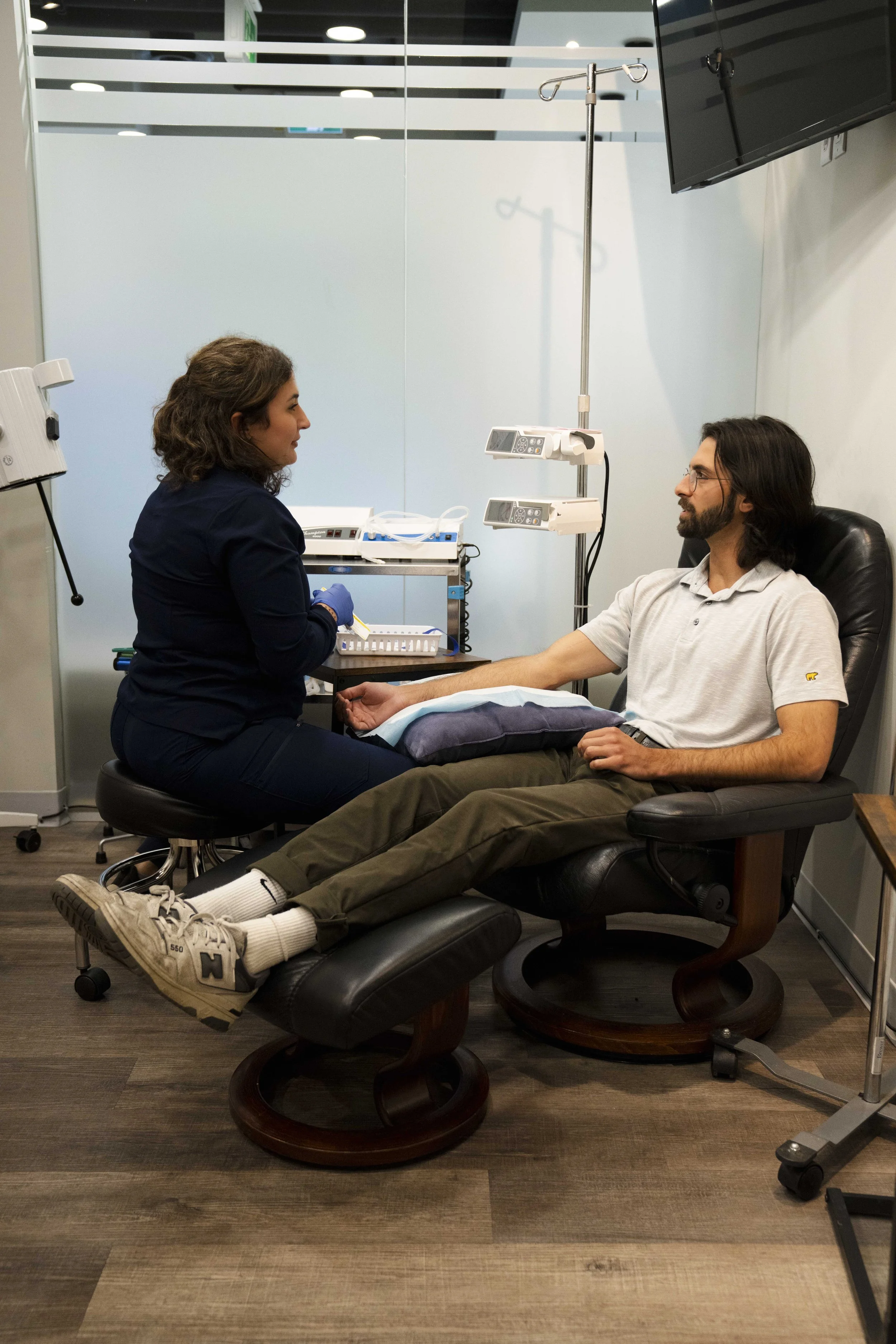
Integrative
Cancer Care
Why Choose
the IHC Cancer Care Centre
Our Cancer Care Centre provides evidence-informed integrative oncology services to improve quality of life and clinical outcomes, providing a truly holistic approach to cancer management and designed to work alongside conventional cancer treatments.
We help you navigate your cancer diagnosis with clarity, confidence, and a personalized care plan focused on improving quality of life and your overall clinical outcomes.









INTEGRATIVE THERAPIESNATUROPATHIC FOCUSEVIDENCE INFORMED & GUIDED MEDICINECONVENTIONAL CARE KNOWLEDGETANGIBLE RESULTSINTERNAL RESEARCHPATIENT AT THE COREEDUCATION A PRIORITYINTERNATIONAL EXPOSURE

An Integrative
Cancer Care Model
Integrative treatment strategies
Collaboration with rest of the oncology teams
Individualized and comprehensive protocols for all aspects of patient’s health
Focus on patient education and informed decision-making
Continue to push the advancement of integrative oncology internationally
Collaborative care amongst NDs, MDs, and RNs
A focus on research in collaboration with The Parmar Foundation (LINK)
Our Philosophy of Care
Our philosophy at the Integrated Health Clinic Cancer Care Centre is to first and foremost work with you to achieve the most comprehensive understanding of your situation as possible. Educating you so you can make informed decisions. This includes a thorough review of your medical history, an evaluation of your current health status, an analysis of all current treatments, and a review of most recent laboratory & diagnostics reports. This positions us to better appreciate your needs and to investigate recommendations for care that are tailored to you.
We recognize that not all cancer types nor patients are the same, formulating a personalized patient care strategy that leverages the integration of both conventional therapies and evidence-informed & guided naturopathic protocols is paramount. Overall survival and quality of life being the two primary goals or outcomes we try to achieve.
Below you will find a very brief look at a representation of the cancer types we deal with.
Click on the cancer type to explore more details.
Most Common Cancers We Help Treat
-
Colorectal cancer is cancer that starts in the colon or rectum. The colon and the rectum are parts of the large intestine, which is the lower part of the body’s digestive system. During digestion, food moves through the stomach and small intestine into the colon. The colon absorbs water and nutrients from the food and stores waste matter (stool). Stool moves from the colon into the rectum before it leaves the body.
Most colorectal cancers are adenocarcinomas (cancers that begin in cells that make and release mucus and other fluids). Colorectal cancer often begins as a growth called a polyp, which may form on the inner wall of the colon or rectum. Some polyps become cancer over time. Finding and removing polyps can prevent colorectal cancer.
For more detailed information regarding Colorectal Cancer, including symptoms, screening, diagnosis etc. please use this link to access the Canadian Cancer Society website.
-
The breast is made up of glands called lobules that can make milk and thin tubes called ducts that carry the milk from the lobules to the nipple. Breast tissue also contains fat and connective tissue, lymph nodes, and blood vessels.
The most common type of breast cancer is ductal carcinoma, which begins in the cells of the ducts. Breast cancer can also begin in the cells of the lobules and in other tissues in the breast. Invasive breast cancer is breast cancer that has spread from where it began in the ducts or lobules to surrounding tissue.For more detailed information regarding Breast Cancer, including symptoms, screening, diagnosis etc. please use this link to access the Canadian Cancer Society website.
-
The lungs are a pair of cone-shaped breathing organs inside the chest. The lungs bring oxygen into the body when breathing in and send carbon dioxide out of the body when breathing out. Each lung has sections called lobes. Two tubes called bronchi lead from the trachea (windpipe) to the lungs.
The two main types of lung cancer are non-small cell lung cancer and small cell lung cancer. The types are based on the way the cells look under a microscope. Non-small cell lung cancer is much more common than small cell lung cancer.For more detailed information regarding Lung Cancer, including symptoms, screening, diagnosis etc. please use this link to access the Canadian Cancer Society website.
-
The prostate gland makes fluid that forms part of semen. The prostate lies just below the bladder in front of the rectum. It surrounds the urethra (the tube that carries urine and semen through the penis and out of the body).
Prostate cancer is the most common cancer in men in the United States, after skin cancer. It is the second leading cause of death from cancer in men. Prostate cancer occurs more often in African-American men than in white men. African-American men with prostate cancer are more likely to die from the disease than white men with prostate cancer.
Almost all prostate cancers are adenocarcinomas (cancers that begin in cells that make and release mucus and other fluids). Prostate cancer often has no early symptoms. Advanced prostate cancer can cause men to urinate more often or have a weaker flow of urine, but these symptoms can also be caused by benign prostate conditions.
Prostate cancer usually grows very slowly. Most men with prostate cancer are older than 65 years and do not die from the disease. Finding and treating prostate cancer before symptoms occur may not improve health or help you live longer. Talk to your doctor about your risk of prostate cancer and whether you need screening tests.For more detailed information regarding Prostate Cancer, including symptoms, screening, diagnosis etc. please use this link to access the Canadian Cancer Society website.
-
The brain and spinal cord make up the central nervous system (CNS). Brain and spinal cord tumors are growths of abnormal cells in tissues of the brain or spinal cord. Tumors that start in the brain are called primary brain tumors. A tumor that starts in another part of the body and spreads to the brain is called a metastatic brain tumor.
Brain and spinal cord tumors may be either benign (not cancer) or malignant (cancer).
Both benign and malignant tumors cause signs and symptoms and need treatment. Benign brain and spinal cord tumors grow and press on nearby areas of the brain but rarely spread into other parts of the brain. Malignant brain and spinal cord tumors are likely to grow quickly and spread into other parts of the brain.
There are many types of brain and spinal cord tumors. They form in different cell types and different areas of the brain and spinal cord. The signs and symptoms of brain and spinal cord tumors depend on where the tumor forms, its size, how fast it is growing, and the age of the patient.
Brain and spinal cord tumors can occur in both adults and children. The types of tumors that form and the way they are treated are different in children and adults. In adults, anaplastic astrocytomas and glioblastomas make up about one-third of brain tumors. In children, astrocytomas are the most common type of brain tumor.
For more detailed information regarding Brain Cancer, including symptoms, screening, diagnosis etc. please use this link to access the Canadian Cancer Society website. -
The pancreas lies behind the stomach and in front of the spine. There are two kinds of cells in the pancreas. Exocrine pancreas cells make enzymes that are released into the small intestine to help the body digest food. Neuroendocrine pancreas cells (such as islet cells) make several hormones, including insulin and glucagon, that help control sugar levels in the blood.
Most pancreatic cancers form in exocrine cells. These tumors do not secrete hormones and do not cause signs or symptoms. This makes it hard to diagnose this type of pancreatic cancer early. For most patients with exocrine pancreatic cancer, current treatments do not cure the cancer.
For more detailed information regarding Pancreatic Cancer, including symptoms, screening, diagnosis etc. please use this link to access the Canadian Cancer Society website. -
The liver has many important functions in the body. For example, it cleans toxins from the blood, makes bile that helps digest fat, makes substances that help blood clot, and makes, stores, and releases sugar for energy.
Primary liver cancer is cancer that starts in the liver. The most common type of primary liver cancer is hepatocellular carcinoma, which occurs in the tissue of the liver. When cancer starts in other parts of the body and spreads to the liver, it is called liver metastasis.
Liver cancer is rare in children and teenagers, but there are two types of liver cancer that can form in children. Hepatoblastoma occurs in younger children, and hepatocellular carcinoma occurs in older children and teenagers.
The bile ducts are tubes that carry bile between the liver and gallbladder and the intestine. Bile duct cancer is also called cholangiocarcinoma. When it begins in the bile ducts inside the liver, it is called intrahepatic cholangiocarcinoma. When it begins in the bile ducts outside the liver, it is called extrahepatic cholangiocarcinoma. Extrahepatic cholangiocarcinoma is much more common than intrahepatic cholangiocarcinoma.
For more detailed information regarding Liver Cancer, including symptoms, screening, diagnosis etc. please use this link to access the Canadian Cancer Society website. -
Esophageal cancer is a disease in which malignant (cancer) cells form in the tissues of the esophagus. The esophagus is a muscular tube that moves food and liquids from the throat to the stomach.
The most common types of esophageal cancer are squamous cell carcinoma and adenocarcinoma. Squamous cell carcinoma begins in flat cells lining the esophagus. Adenocarcinoma begins in cells that make and release mucus and other fluids.
Gastric (stomach) cancer is a disease in which malignant (cancer) cells form in the lining of the stomach. The stomach is in the upper abdomen and helps digest food.
Almost all gastric cancers are adenocarcinomas (cancers that begin in cells that make and release mucus and other fluids). Other types of gastric cancer are gastrointestinal carcinoid tumors, gastrointestinal stromal tumors, and lymphomas.
For more detailed information regarding Esophagus-Stomach Cancer, including symptoms, screening, diagnosis etc. please use this link to access the Canadian Cancer Society website. -
The ovaries and fallopian tubes are part of the female reproductive system. There is one ovary and one fallopian tube on each side of the uterus (the hollow, pear-shaped organ where a fetus grows). The ovaries store eggs and make female hormones. Eggs pass from the ovaries, through the fallopian tubes, to the uterus. The peritoneum is the tissue that lines the abdomen wall and covers organs in the abdomen. Part of the peritoneum is close to the ovaries and fallopian tubes.
The most common type of ovarian cancer is called ovarian epithelial cancer. It begins in the tissue that covers the ovaries. Cancer sometimes begins at the end of the fallopian tube near the ovary and spreads to the ovary. Cancer can also begin in the peritoneum and spread to the ovary. The stages and treatment are the same for ovarian epithelial, fallopian tube, and primary peritoneal cancers.
The cervix is the lower, narrow end of the uterus (the organ where a fetus grows). The cervix leads from the uterus to the vagina (birth canal).
The main types of cervical cancer are squamous cell carcinoma and adenocarcinoma. Squamous cell carcinoma begins in the thin, flat cells that line the cervix. Adenocarcinoma begins in cervical cells that make mucus and other fluids.
For more detailed information regarding Gynecological Cancer, including symptoms, screening, diagnosis etc. please use this link to access the Canadian Cancer Society website. -
There are two kidneys, one on each side of the spine, above the waist. The kidneys clean the blood to take out waste and make urine. Urine collects in the renal pelvis, the area at the center of the kidney, and then passes through the ureter, into the bladder, and out of the body. The kidneys also make hormones that help control blood pressure and signal the bone marrow to make red blood cells when needed.
There are three main types of kidney cancer. Renal cell cancer is the most common type in adults and Wilms tumors are the most common in children. These types form in the tissues of the kidney that make urine. Transitional cell cancer forms in the renal pelvis and ureter in adults.
The bladder is a hollow organ in the lower part of the abdomen that stores urine until it is passed out of the body.
The most common type of bladder cancer is transitional cell carcinoma, which begins in urothelial cells that line the inside of the bladder. Urothelial cells are transitional cells, which are able to change shape and stretch when the bladder is full. This type of cancer is also called urothelial carcinoma. Other types of bladder cancer include squamous cell carcinoma (cancer that begins in thin, flat cells lining the bladder) and adenocarcinoma (cancer that begins in cells that make and release mucus and other fluids).
For more detailed information regarding Renal-Bladder Cancer, including symptoms, screening, diagnosis etc. please use this link to access the Canadian Cancer Society website. -
Head and neck cancers are cancers that start in the tissues and organs of the head and neck. They include cancers of the larynx (voice box), throat, lips, mouth, nose, and salivary glands.
Most types of head and neck cancer begin in squamous cells that line the moist surfaces inside the head and neck (for example, the mouth, nose, and throat).
Tobacco use, heavy alcohol use, and infection with the human papillomavirus (HPV) increase the risk of many types of head and neck cancer.
For more detailed information regarding Head & Neck Cancer, including symptoms, screening, diagnosis etc. please use this link to access the Canadian Cancer Society website. -
What Is Metastatic Cancer?
The main reason that cancer is so serious is its ability to spread in the body. Cancer cells can spread locally by moving into nearby normal tissue. Cancer can also spread regionally, to nearby lymph nodes, tissues, or organs. And it can spread to distant parts of the body. When this happens, it is called metastatic cancer. For many types of cancer, it is also called stage IV (four) cancer. The process by which cancer cells spread to other parts of the body is called metastasis.When observed under a microscope and tested in other ways, metastatic cancer cells have features like that of the primary cancer and not like the cells in the place where the cancer is found. This is how doctors can tell that it is cancer that has spread from another part of the body.
Metastatic cancer has the same name as the primary cancer. For example, breast cancer that spreads to the lung is called metastatic breast cancer, not lung cancer. It is treated as stage IV breast cancer, not as lung cancer.
Sometimes when people are diagnosed with metastatic cancer, doctors cannot tell where it started. This type of cancer is called cancer of unknown primary origin, or CUP. See the Carcinoma of Unknown Primary page for more information.
When a new primary cancer occurs in a person with a history of cancer, it is known as a second primary cancer. Second primary cancers are rare. Most of the time, when someone who has had cancer has cancer again, it means the first primary cancer has returned.
How Cancer Spreads
Cancer cells spread through the body in a series of steps. These steps include:
Growing into, or invading, nearby normal tissue
Moving through the walls of nearby lymph nodes or blood vessels
Traveling through the lymphatic system and bloodstream to other parts of the body
Stopping in small blood vessels at a distant location, invading the blood vessel walls, and moving into the surrounding tissue
Growing in this tissue until a tiny tumor forms
Causing new blood vessels to grow, which creates a blood supply that allows the tumor to continue growing
Most of the time, spreading cancer cells die at some point in this process. But, as long as conditions are favorable for the cancer cells at every step, some of them are able to form new tumors in other parts of the body. Metastatic cancer cells can also remain inactive at a distant site for many years before they begin to grow again, if at all.
Where Cancer Spreads
Cancer can spread to most any part of the body, although different types of cancer are more likely to spread to certain areas than others. The most common sites where cancer spreads are the bone, liver, and lung. The following list shows the most common sites of metastasis, not including the lymph nodes.
For more detailed information regarding Metastatic Cancer, including symptoms, screening, diagnosis etc. please use this link to access the Canadian Cancer Society website.




Other Cancers We Help Treat







Our Cancer Centres
01
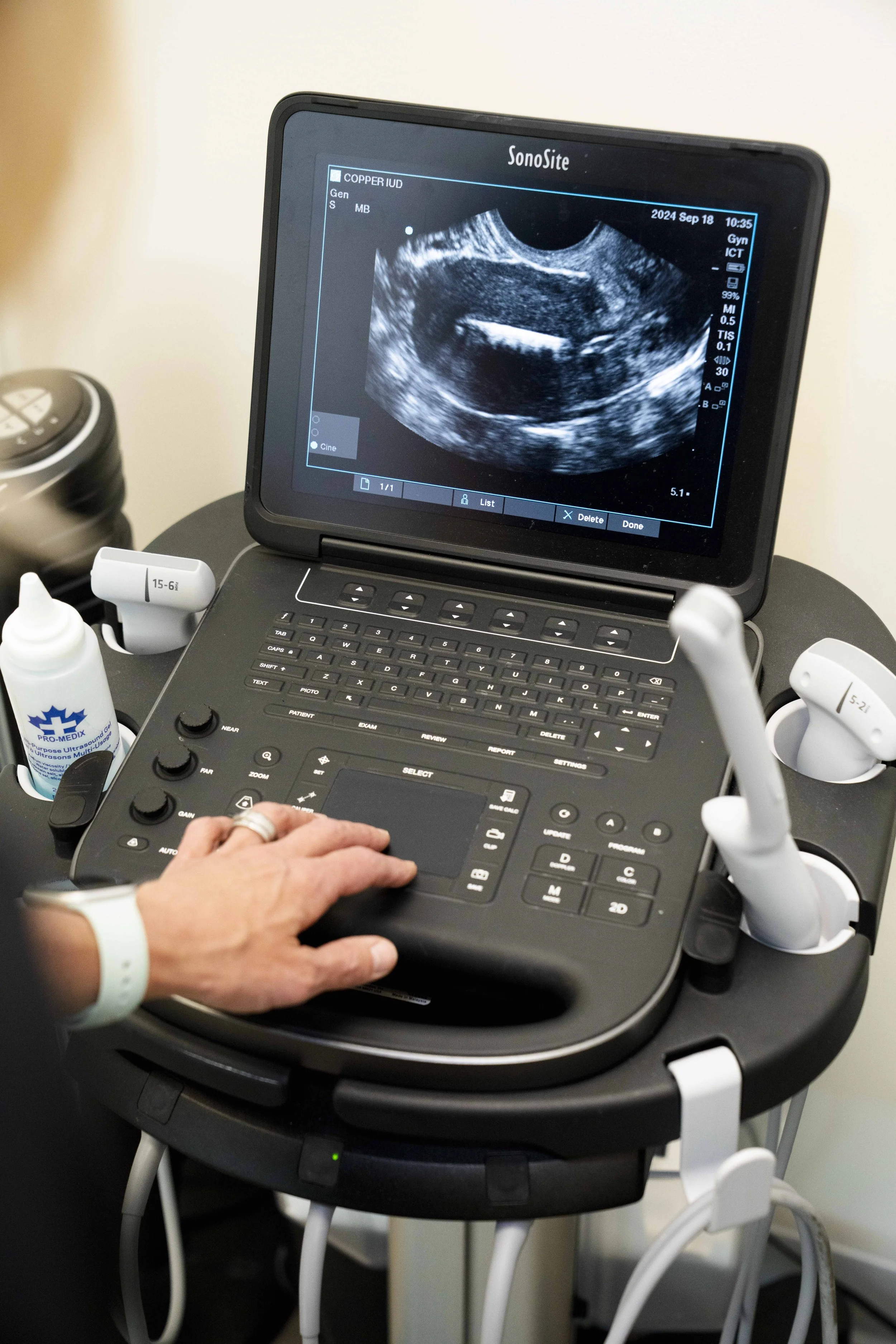
Cancer Screening
& Prevention

02
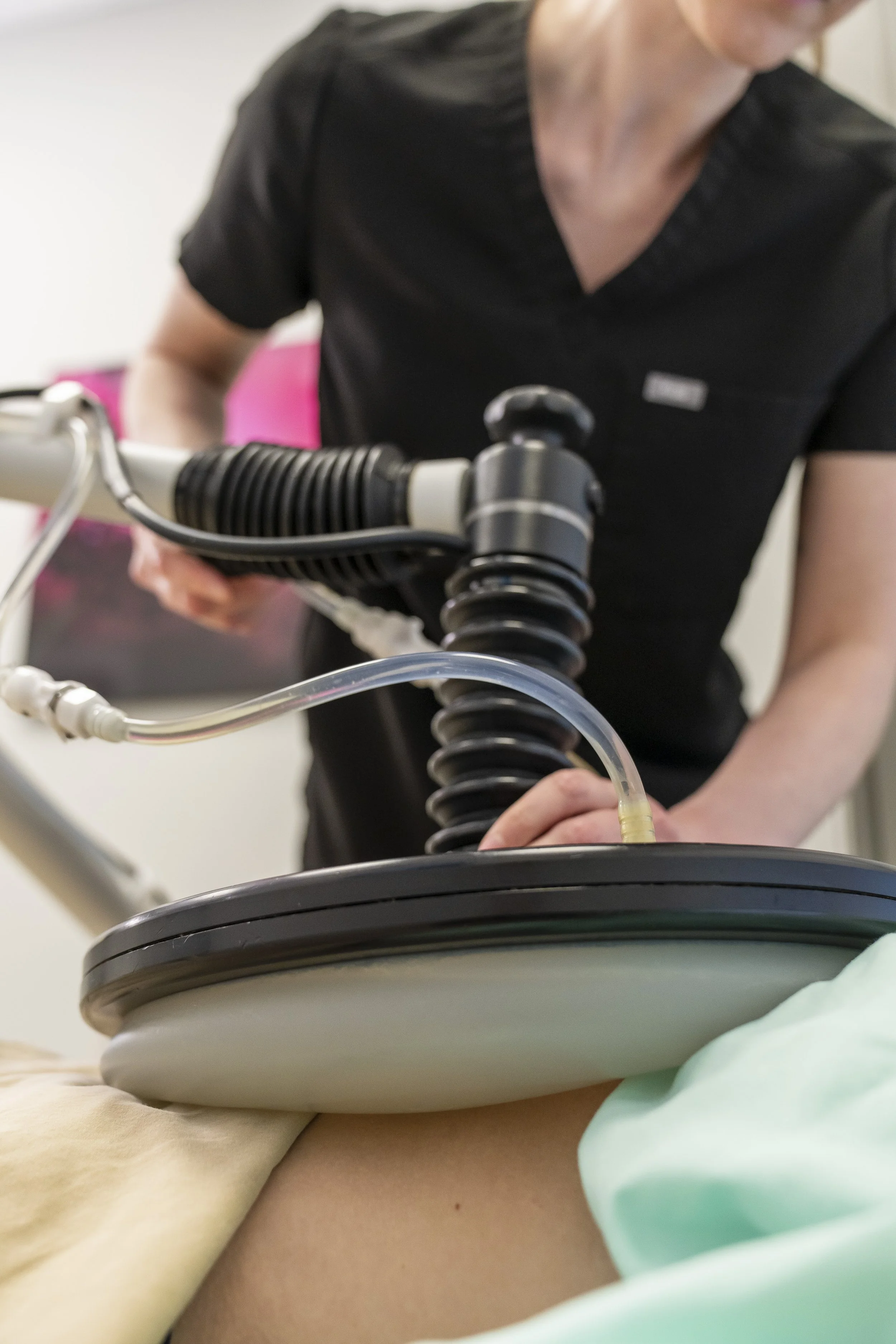
Cancer Management
03
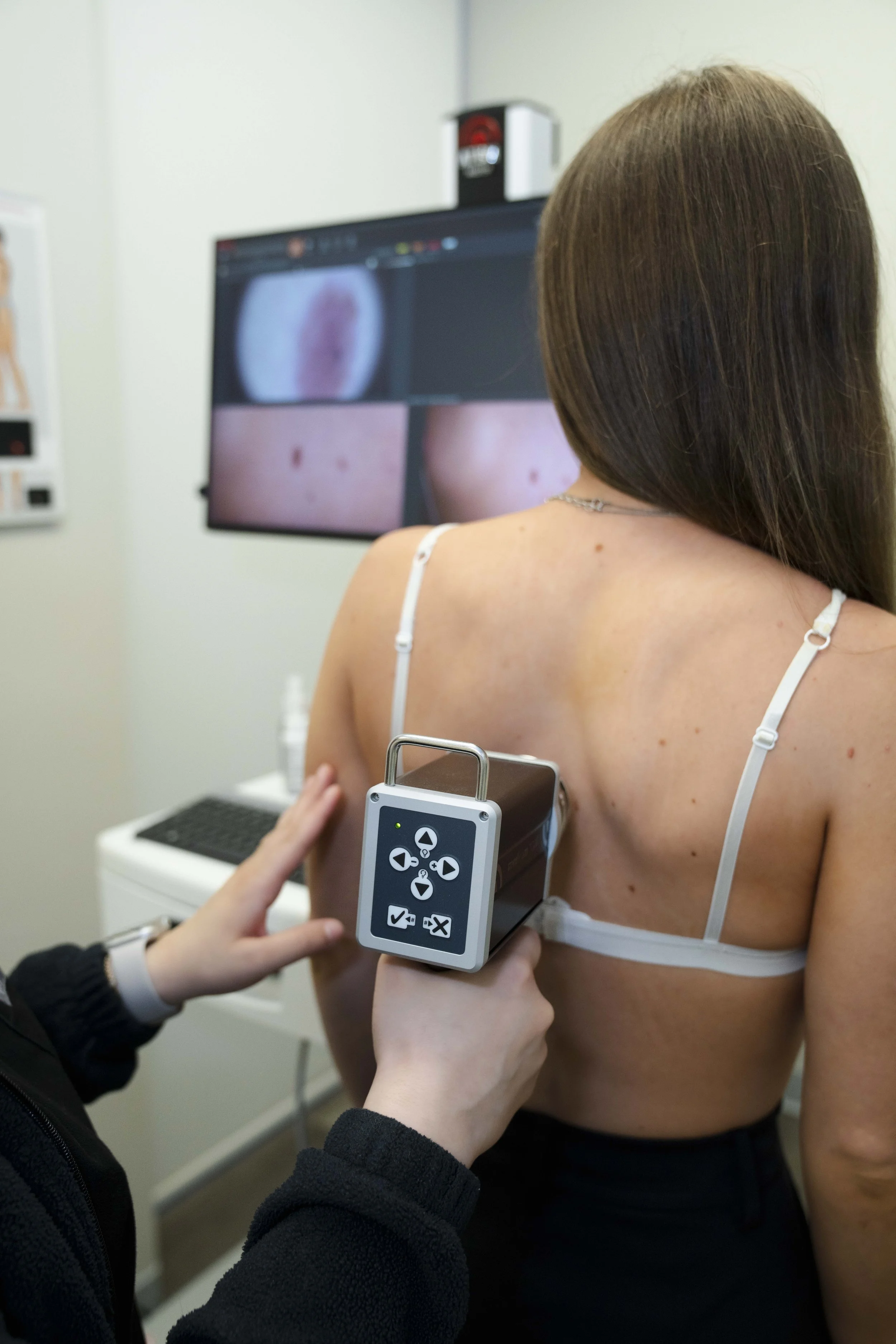
Dermatology
04
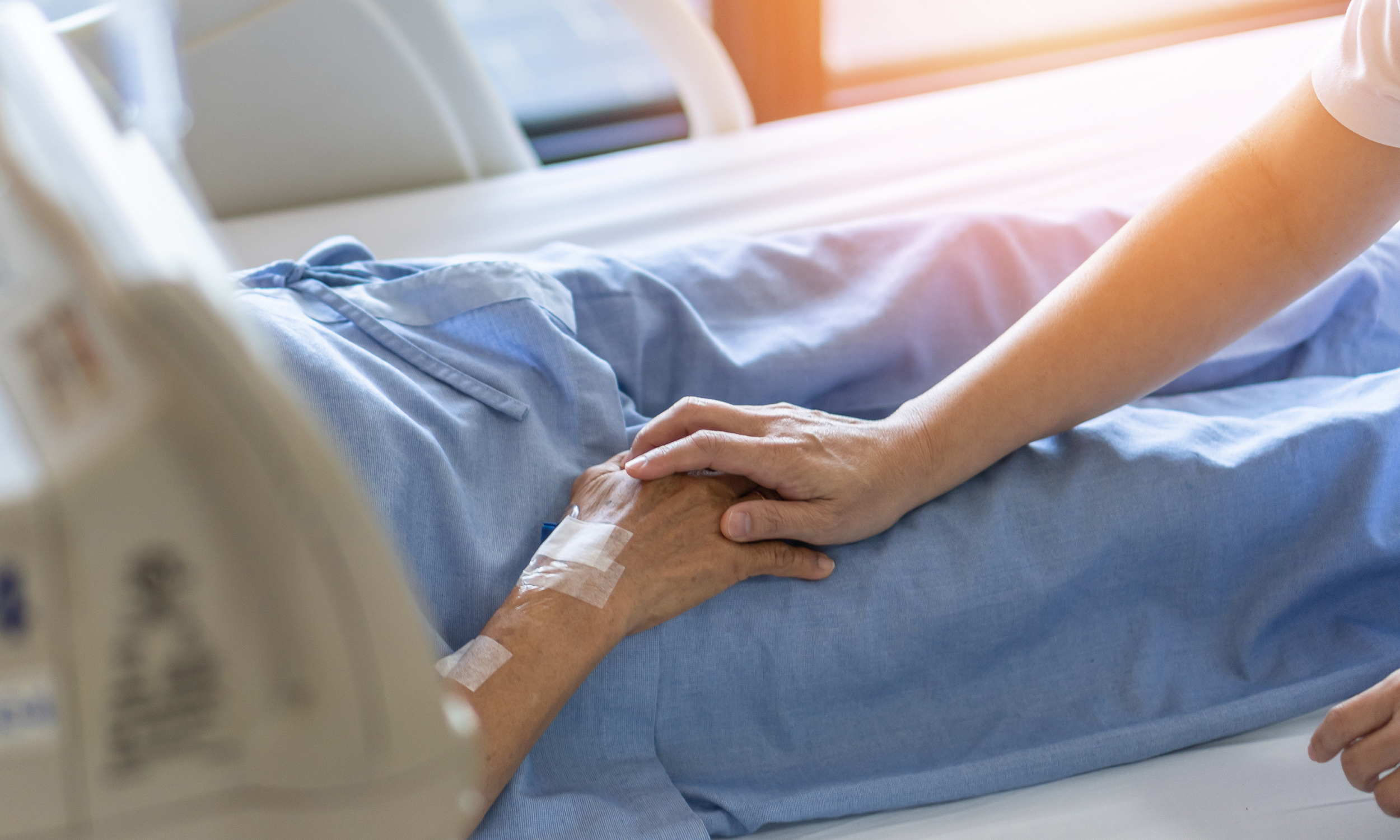
Palliative Care
What to Expect as a New Patient
Once a person has come to terms with the impact of a cancer diagnosis, their path to care begins with investigation into the options for treatment and options for facilities offering that treatment. More often than not people turn to the web for information and are soon overwhelmed with the breadth and scope of data thrown their way. On this page of our IHC website we endeavour to simplify this experience for you.
At your Consultation, we will review:

Medical History
The IHC Cancer Care Doctors will review your medical history in significant detail to gain a thorough understanding your clinical circumstance.
Current Health Condition
The IHC Cancer Care Doctors will work to understand your current challenges, and assess your physical and mental status.

Care Recommendations
Your IHC doctor will prepare concise recommendations with an appropriate course of treatment leveraging both standard of care and naturopathic therapies.


New Cancer Patient Intake Process
Step 1
Documentation
Step 2
Clinic Arrival
During your phone inquiry or in response to your email inquiry, you will be asked to provide the following documentation in advance of your new patient consultation. Ideally, we ask that this be provided via fax, scan to email, or in person prior to the day of the consultation.
New Patient Intake Form. The new patient intake form is accessible on the FORMS page. New Patient Intake Form Please download and complete.
Laboratory Reports We require your most recent blood work results as part of our assessment.
Diagnostic Imaging Reports. We require your most recent diagnostic imaging reports (CT, MRI, PET).
Oncologists Notes. We require your Medical Oncologist, Radiation Oncologist and/or Surgeon reports for review.
Pathology Report. We would like to have your original report of pathology (biopsy).
Requesting records on your behalf. With a signed Release of Records form (part of the new patient intake form) we can reach out to your care provider(s) requesting they send us the necessary documentation.

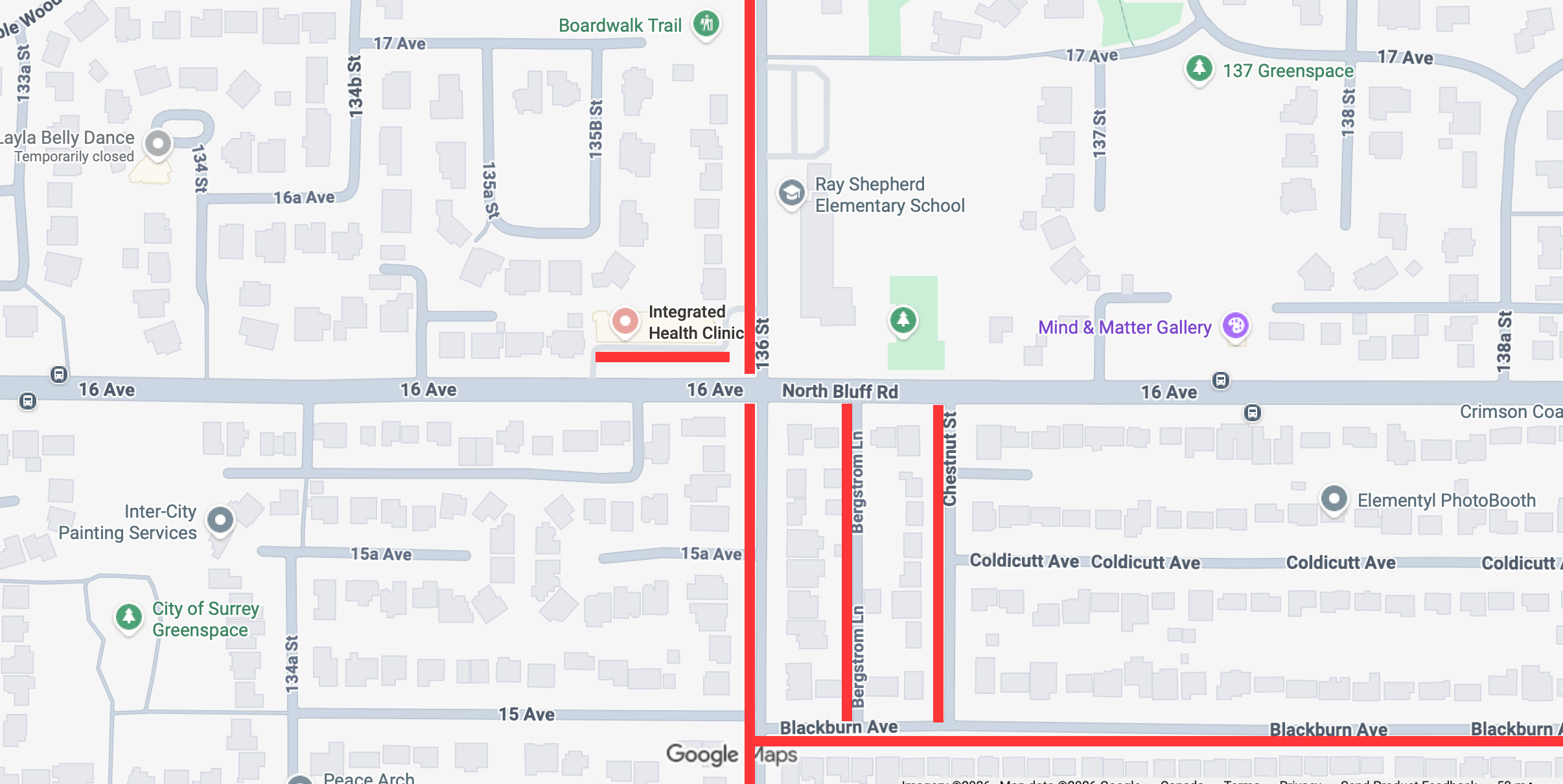
Integrated Health Clinic is located at:
Suite 101, 13585 16th Ave, South Surrey / White Rock, BC.
Parking is available in front of the clinic main entrance and there is plenty of street parking.
Arrival: Upon arrival, please check-in with the main reception desk.
Step 3
Consultation
The first visit to our clinic is our opportunity to provide you with the type of healthcare you are looking for. Your new patient consultation is about establishing a new and important doctor-patient relationship. It is the beginning of exploring your healthcare objectives. We will:
Review Diagnosis & Medical History to gain valuable insight into the circumstances leading to your diagnosis and current condition.
Evaluate Current Health Condition and Treatments. It is critical that we have a complete picture of your current condition in order to provide responsible recommendations.
Conduct Physical Examination A physical examination is an important part of your health assessment and provides information that may otherwise not be obvious.
Provide Concise Recommendations. Following a detailed review of all information our Doctors will provide recommendations for Testing and Treatment for your particular needs and objectives.
Step 4
Consolidation
Following your first consultation, you will be provided with an opportunity to receive and review your prescribed care program. Our objective here is to ensure you have all the information needed for informed decisions regarding your care.
Address Questions
Review Prescribed Therapies
Review Scheduling Options
Provide Support Where Needed
Cancer Focused
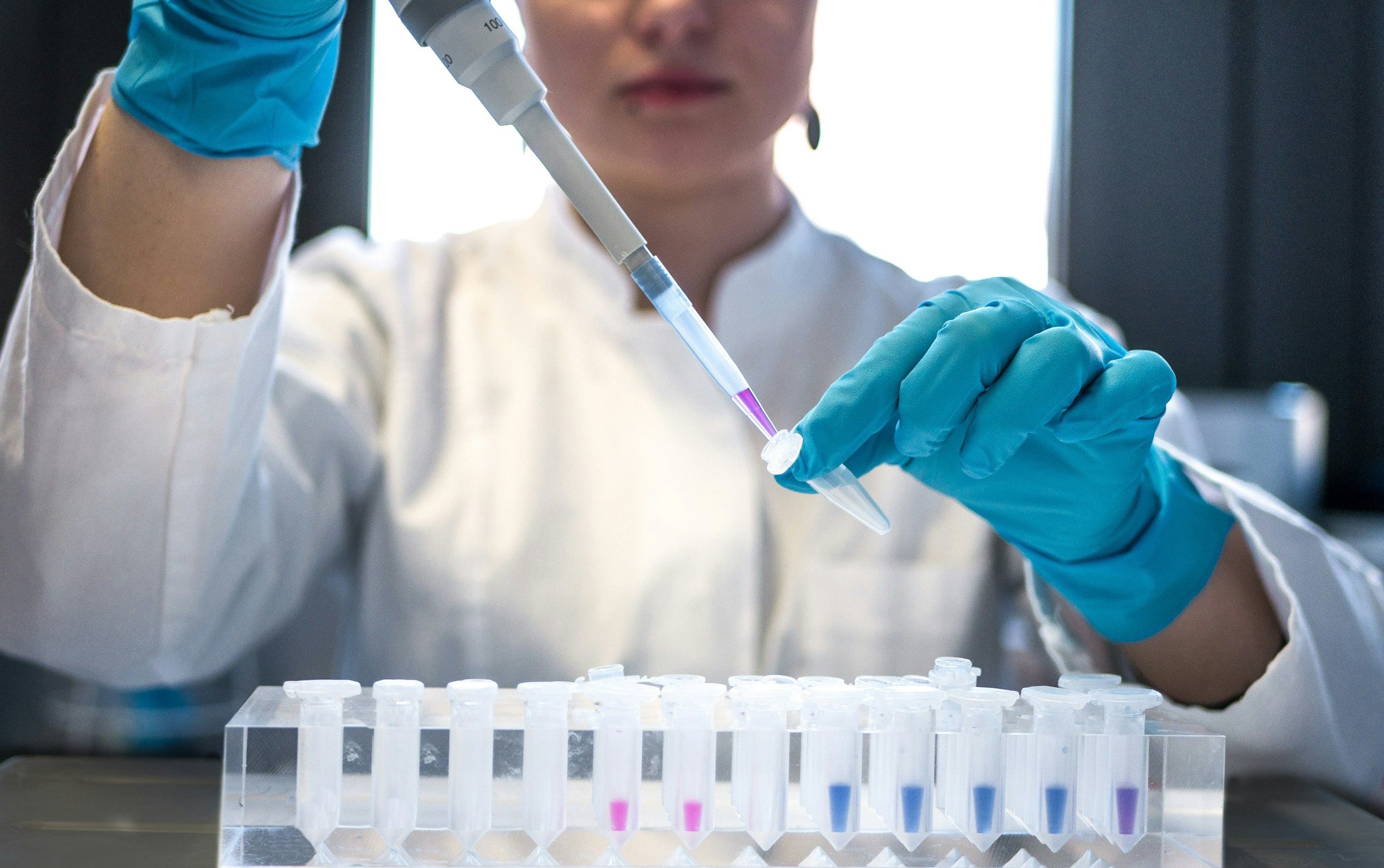
Laboratory Testing
Laboratory testing provides a foundation of information critical to the decision making process, both for you and your Doctors. We take the time to understand the full scope of your health situation.
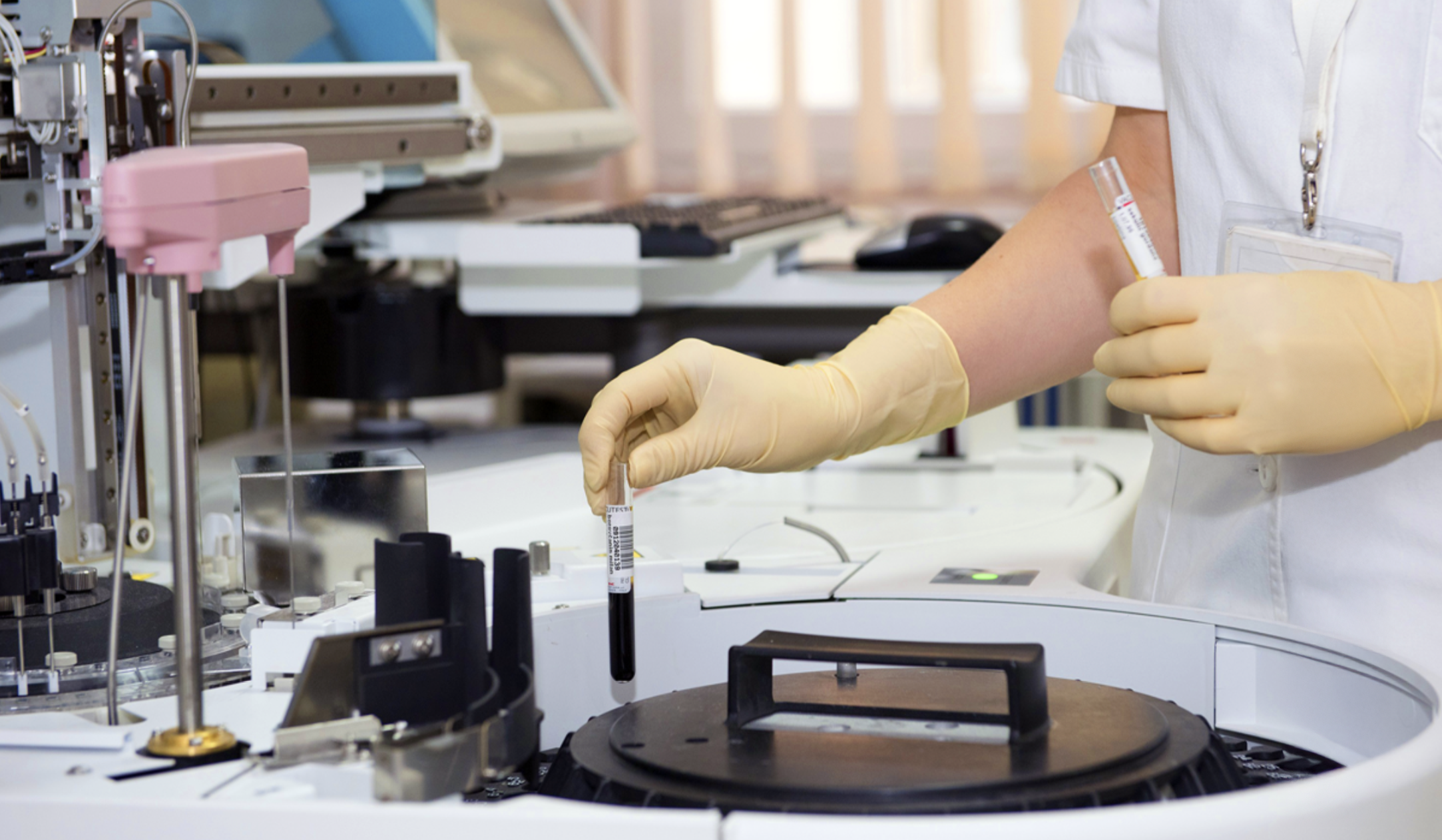

Available Testing
General Bloodwork
Helping you establish a foundation of understanding
Once a person has come to terms with the impact of a cancer diagnosis, their path to care begins with investigation into the options for treatment and options for facilities offering that treatment. More often than not people turn to the web for information and are soon overwhelmed with the breadth and scope of data thrown their way. On this page of our IHC website we endeavour to simplify this experience for you.
Examples of Tumour Markers
Helping you assess and monitor your condition and treatment response.








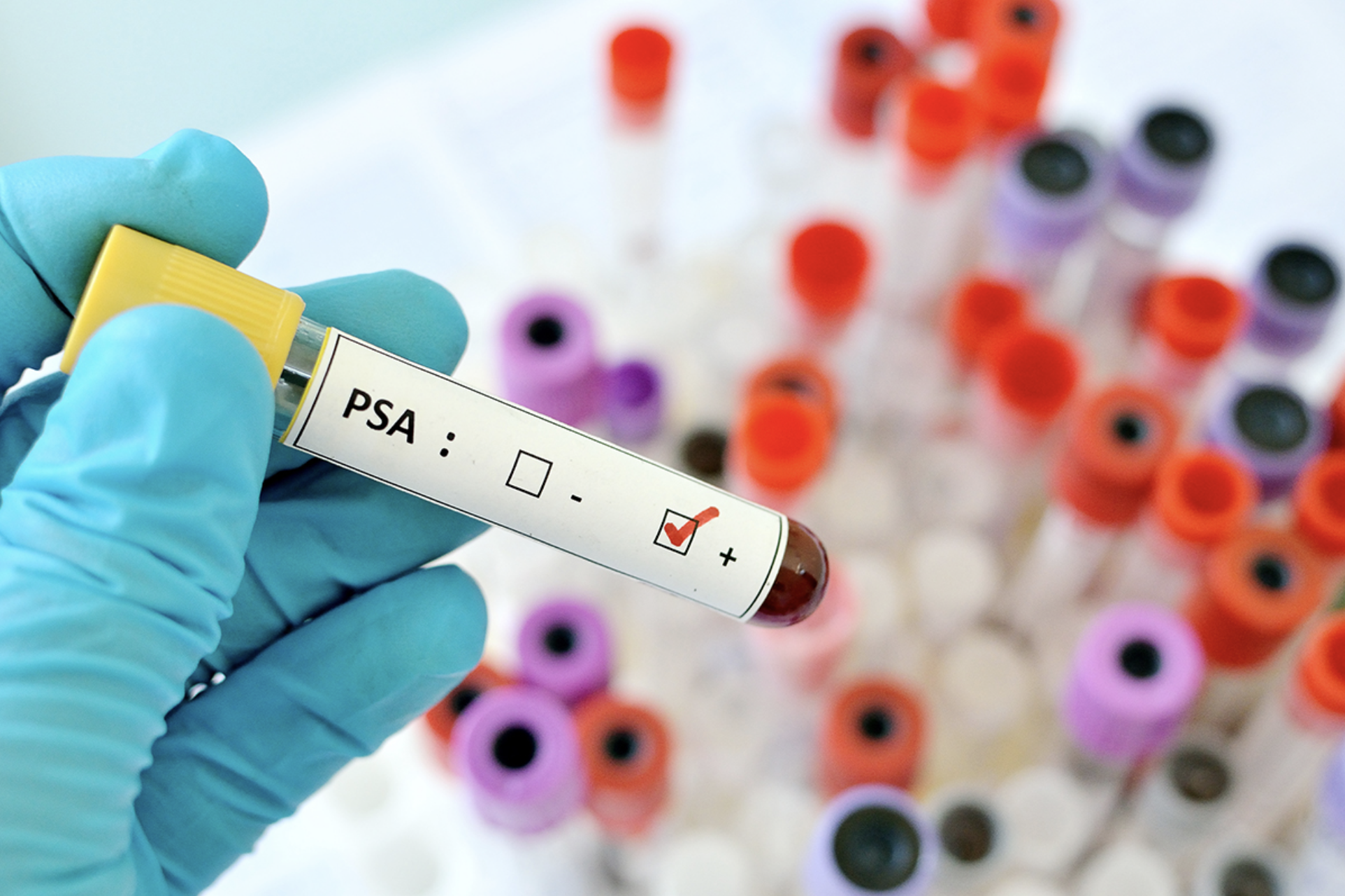
Tumour markers are substances that are produced by cancer or by other cells of the body in response to cancer or certain benign (noncancerous) conditions… Many different tumour markers have been characterized and are in clinical use… There are some limitations to the use of tumour markers. Sometimes, noncancerous conditions can cause the levels of certain tumour markers to increase. In addition, not everyone with a particular type of cancer will have a higher level of a tumour marker associated with that cancer… Tumour markers are used to help detect, diagnose, and manage some types of cancer. Although an elevated level of a tumour marker may suggest the presence of cancer, this alone is not enough to diagnose cancer. Therefore, measurements of tumour markers are usually combined with other tests, such as biopsies, to diagnose cancer… Tumour marker levels may be measured before treatment to help doctors plan the appropriate therapy… Tumour markers may also be measured periodically during cancer therapy… Tumour markers may also be measured after treatment has ended to check for recurrence (the return of cancer)… If the tumour marker is being used to determine whether treatment is working or whether there is a recurrence, the marker’s level will be measured in multiple samples taken over time. Usually these “serial measurements,” which show whether the level of a marker is increasing, staying the same, or decreasing, are more meaningful than a single measurement.
Click here for more information on Tumour Markers: National Cancer Institute
Labs We Utilize







Manage Cancer With
Confidence & Clarity
If you’ve been diagnosed with cancer, you’re likely feeling overwhelmed with information, questions, and uncertainty about the future. At the Integrated Health Clinic, we provide integrative, evidence-informed cancer management services designed to enhance your quality of life and improve your overall survival.
Understanding creates confidence in uncertain times. At IHC, we don’t just manage cancer—we empower you with clear, actionable knowledge about your options. For over 25 years, we’ve helped tens of thousands of patients like you make informed decisions throughout their cancer management journey.
The Integrated Health Clinic’s Cancer Management Program is built on three foundational pillars:
Integrative Care
We combine proven conventional treatments with evidence-informed natural therapies, creating personalized strategies designed to enhance your quality of life and improve your overall survival. Prescriptions for nutrition, exercise, lifestyle, sleep hygiene, stress reduction, nutraceuticals, pharmaceuticals, and much more.

Whole-Person Focus
We know that cancer affects every aspect of life—from physical health to relationships, work, and your sense of self. That’s why, in addition to treating your symptoms, we prioritize improving your emotional and spiritual well-being, helping you maintain the life you want to live.


Knowledge is Power
Education is our cornerstone—helping you understand your options, sift through complex information, and make confident decisions about your care. Our doctors thoroughly explain every aspect of your unique circumstance, ensuring you’re equipped to make informed choices every step of the way.

Patient Stories
Megan’s Story
Megan came to us unsure, and in need of support. Her healthcare journey was tailored not only to her medical needs, but to her holistic self, and all aspects of her life.
Research
Advancing Integrative Oncology Research
The research activities previously conducted at the IHC Cancer Care Centre have now transitioned to The Parmar Foundation. This move allows us to expand our research capabilities and continue advancing evidence-based integrative oncology, while uniting our efforts to serve as patients’ voices and advocate for accessible integrative cancer care.

About The Parmar Foundation
The Parmar Foundation is dedicated to improving cancer care through rigorous research, innovation, and patient-centered integrative practices. Our mission is to generate high-quality evidence on integrative therapies, support clinical advancements, and share knowledge with patients and healthcare providers worldwide. Our vision is a future where integrative oncology is accessible, safe, and effective for all.
We invite you to follow our work and stay updated on the latest research developments by signing up for our newsletter. Learn more about our programs and initiatives at www.theparmarfoundation.ca.
IHC Research Publications
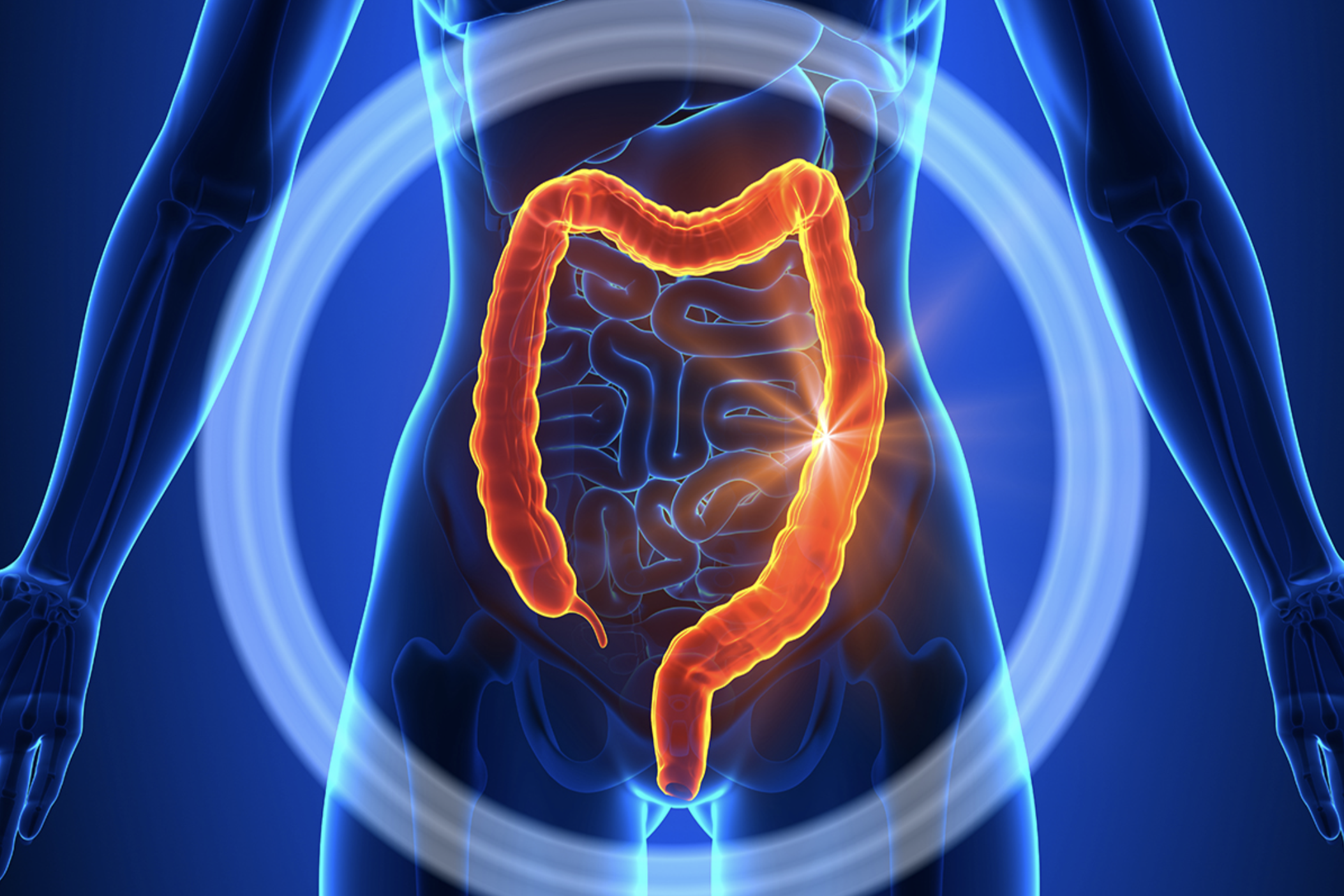
2025 - Colorectal Cancer Study
Integrative Naturopathic Treatment Model for Colorectal Cancer: A Retrospective Study
Publishing Our
Retrospective Study
GLOBAL ADVANCES IN INTEGRATIVE
MEDICINE & HEALTH JOURNAL
Publishing the manuscript “Integrative naturopathic treatment model for colorectal cancer” A retrospective study.
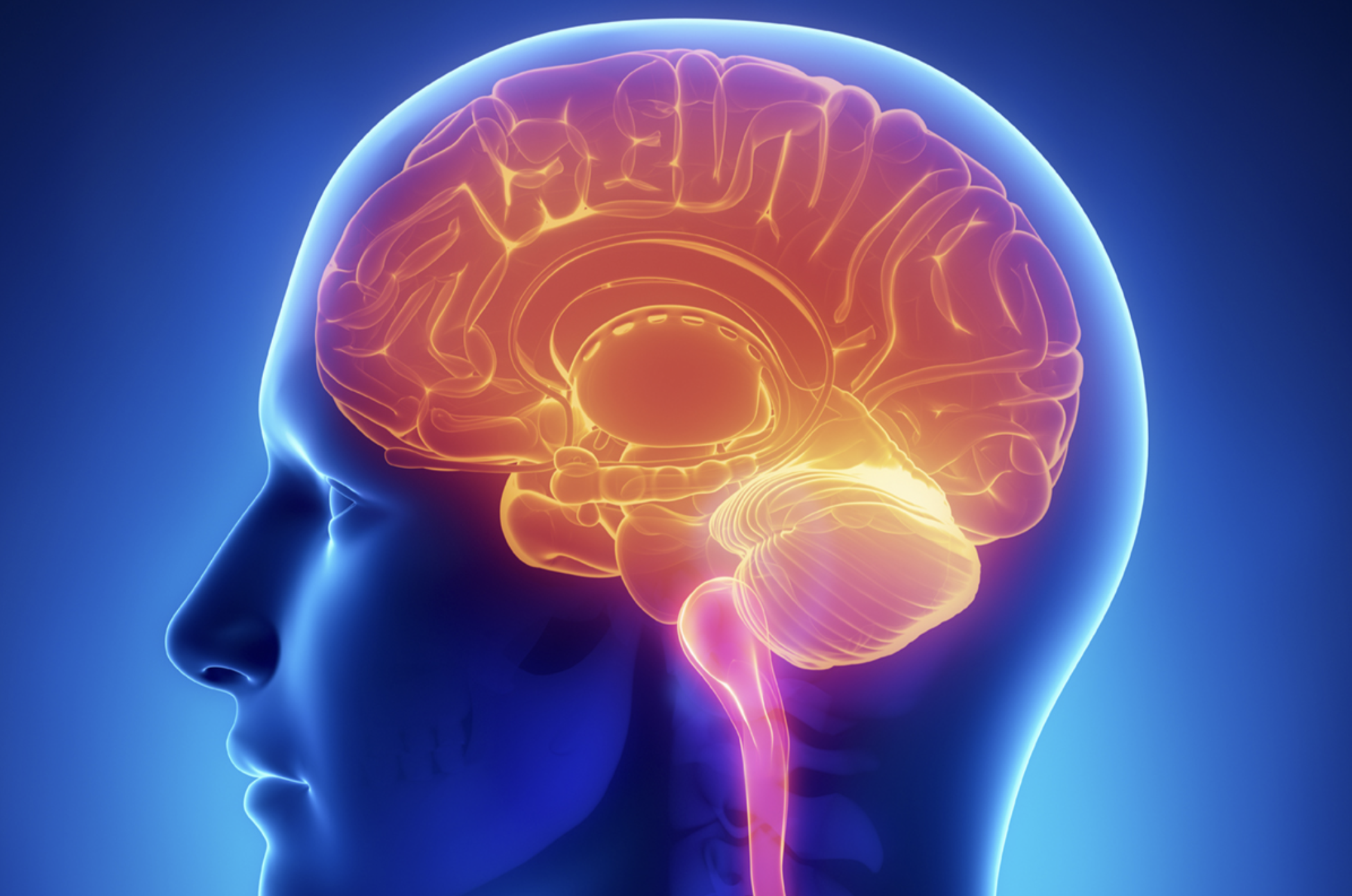
2025 - Glioblastoma Multiforme Study
The Effect of Integrative Naturopathic Oncology Including Modulated Electrohyperthermia on Survival Outcome among Glioblastoma Multiforme Patients: A Retrospective Study
Expanding Our Efforts
Cusios
Canada United States Integrative Oncology Study (CUSIOS) to examine the potential for improved response with the combination of Naturopathic and Conventional therapies.
OUR - Case Reports
EVIDENCE TO SUPPORT INTEGRATIVE
NATUROPATHIC MEDICINE
A series of Case Reports for patients of the Integrated Health Clinic Cancer Care Centre who demonstrated noteworthy response.

Reference Publications
Please contact us for reference material considered important in evaluating care options.

Integrative Therapies
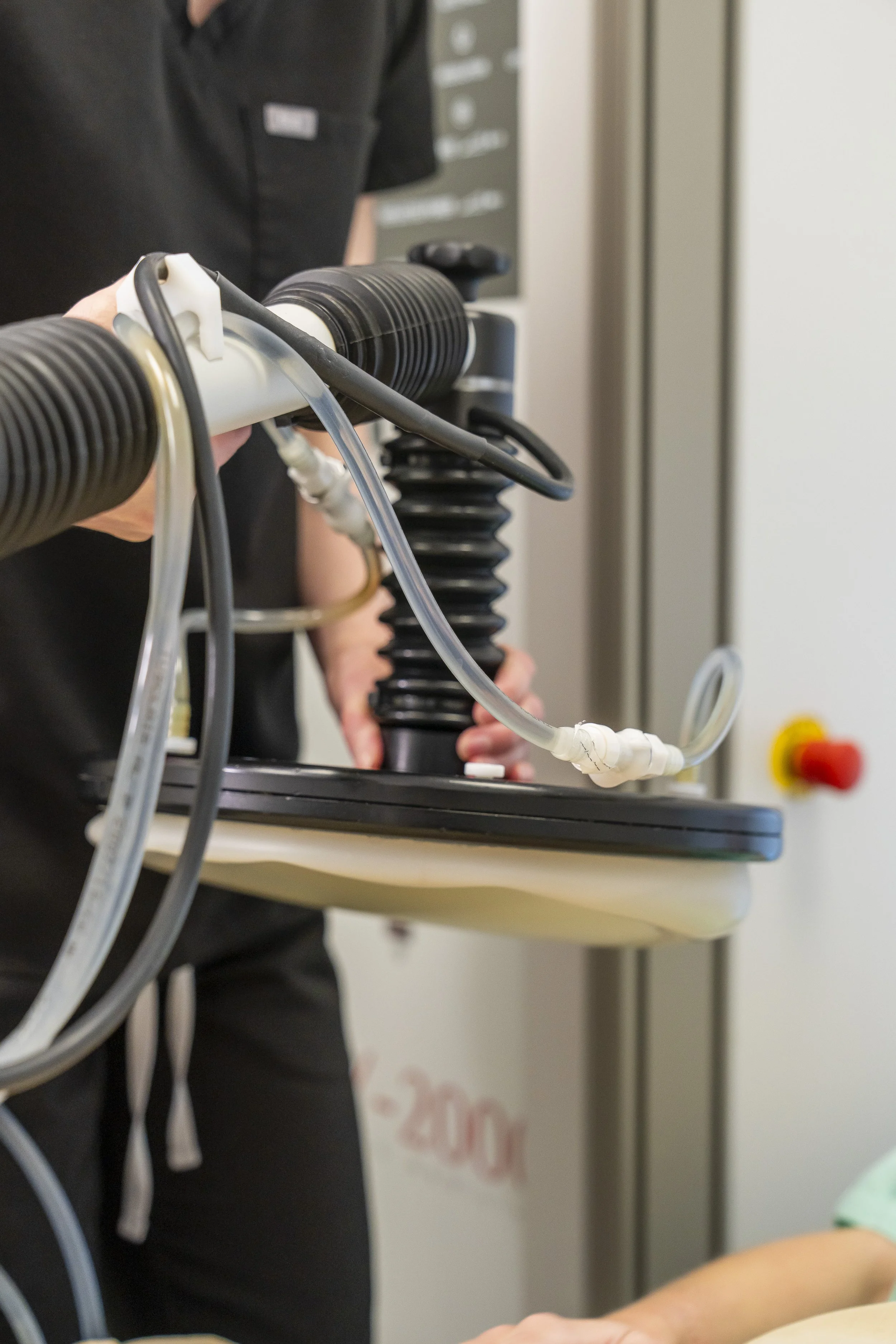
Working with you to understand, educate and guide. Our Doctors are here to evaluate your individual circumstance and guide you toward making an informed decision regarding your way ahead, thus empowering you to integrate therapies, like loco regional hyperthermia, that work best for you.
Our Integrative Therapies
01

Acupuncture | Cancer
04
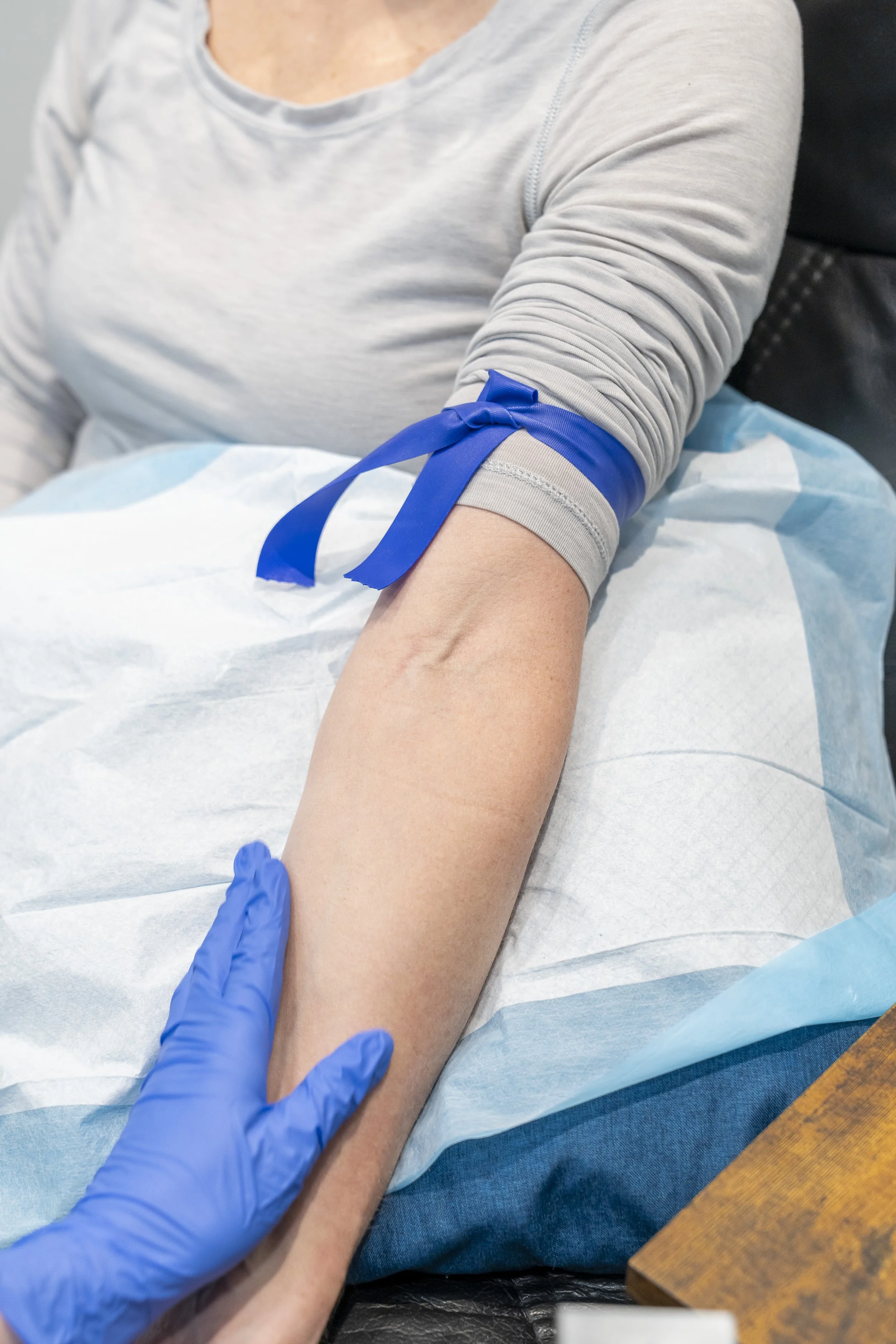
Injection Therapy
07
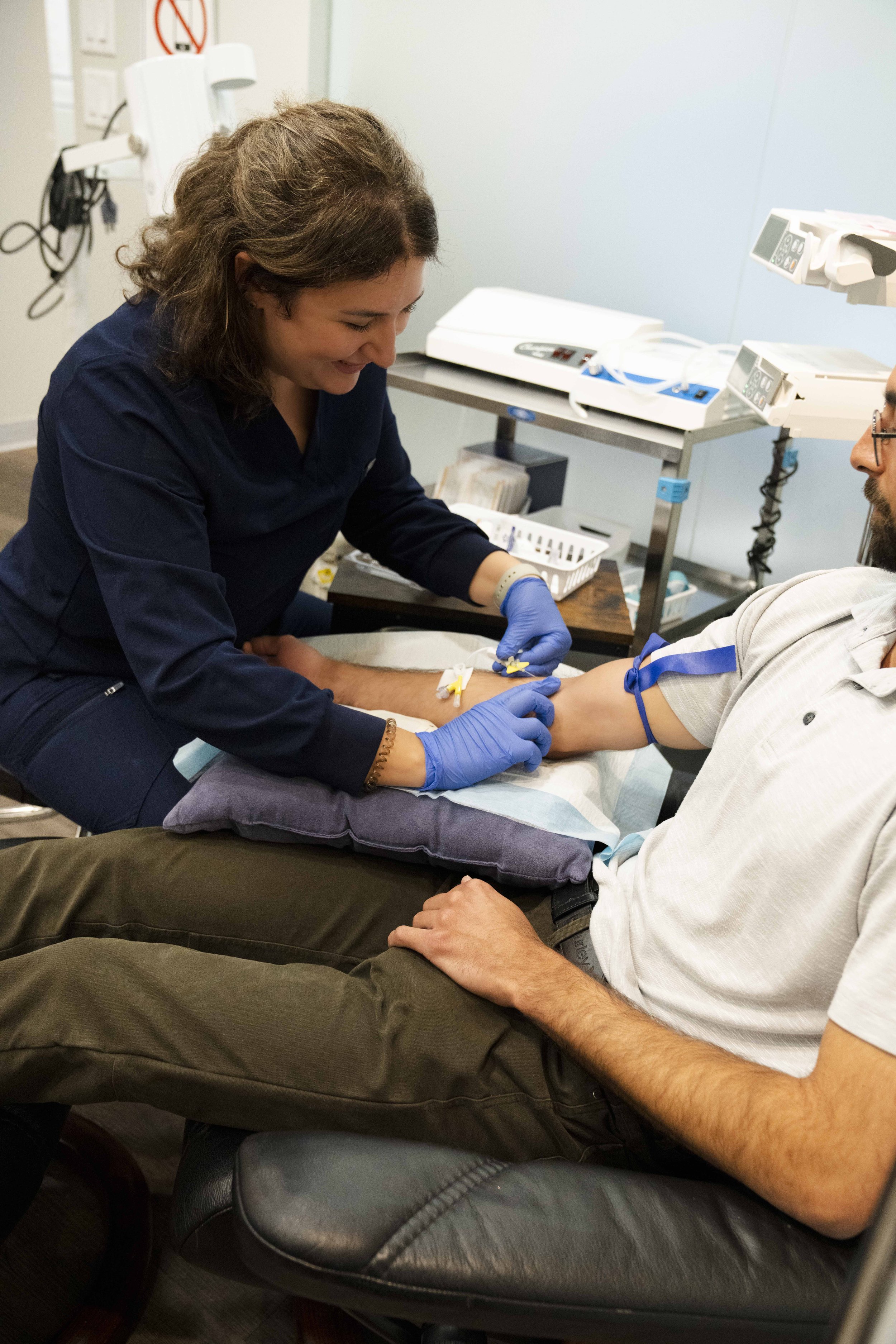
Ozone & Oxidative Therapy
02

Dietary Counselling | Cancer
05
Lab Testing | Cancer
08

Targeted Supplementation
03

Immune System Support | Cancer
06
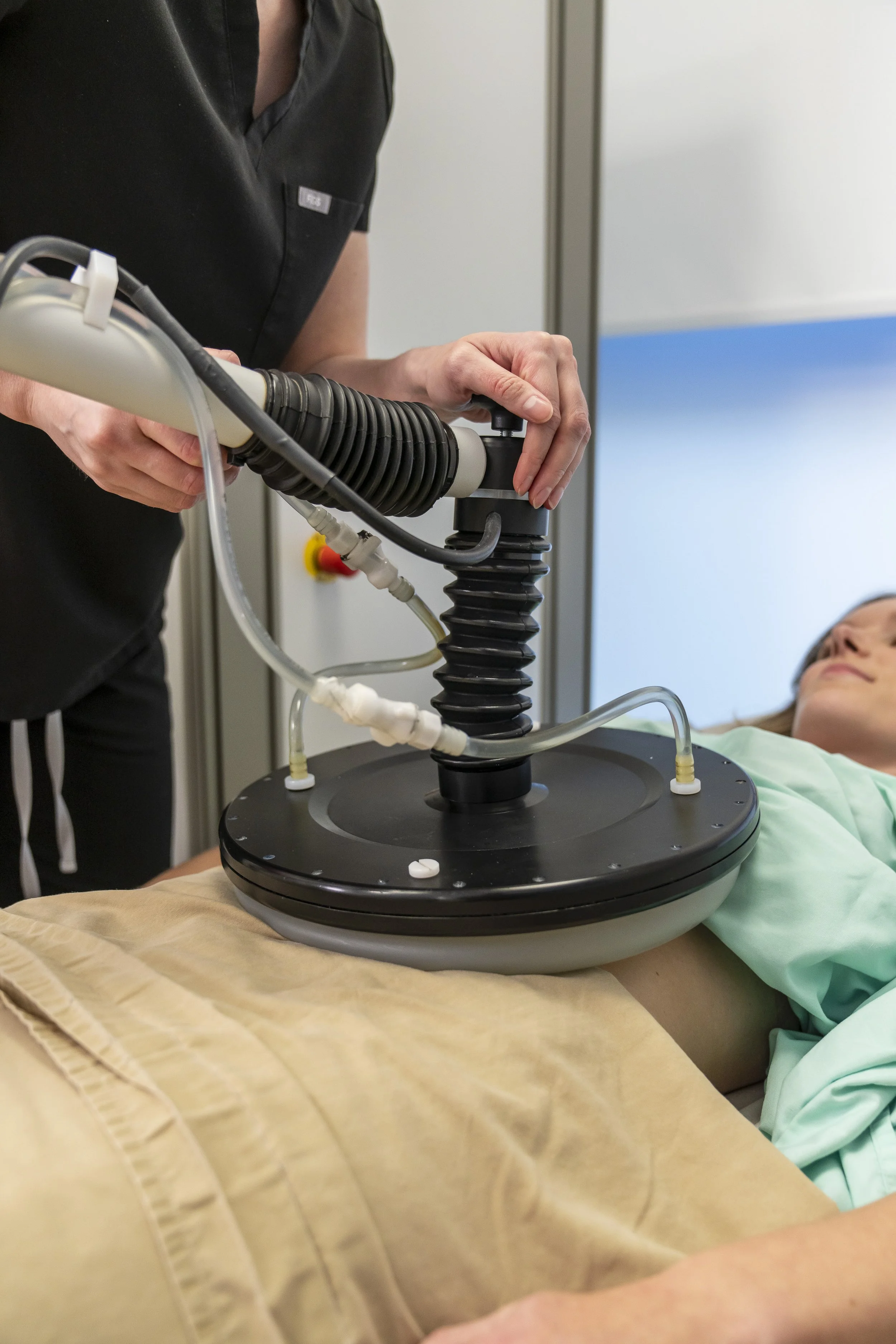
Loco Regional Hyperthermia (LRHT)
Learn More
View the Dr. Geo Podcast with Dr. Gurdev Parmar
Ready for a Consultation?

Now Open 7 Days
Per Week
Monday
Tuesday
Wednesday
Thursday
Friday
Saturday
Sunday
9am - 5pm
8am - 8pm
8am - 8pm
8am - 8pm
9am - 5pm
9am - 5pm
10am - 3pm